Sorry for this very long catch up blog. Read it in bits. It’s far too long. 🤯
March 23
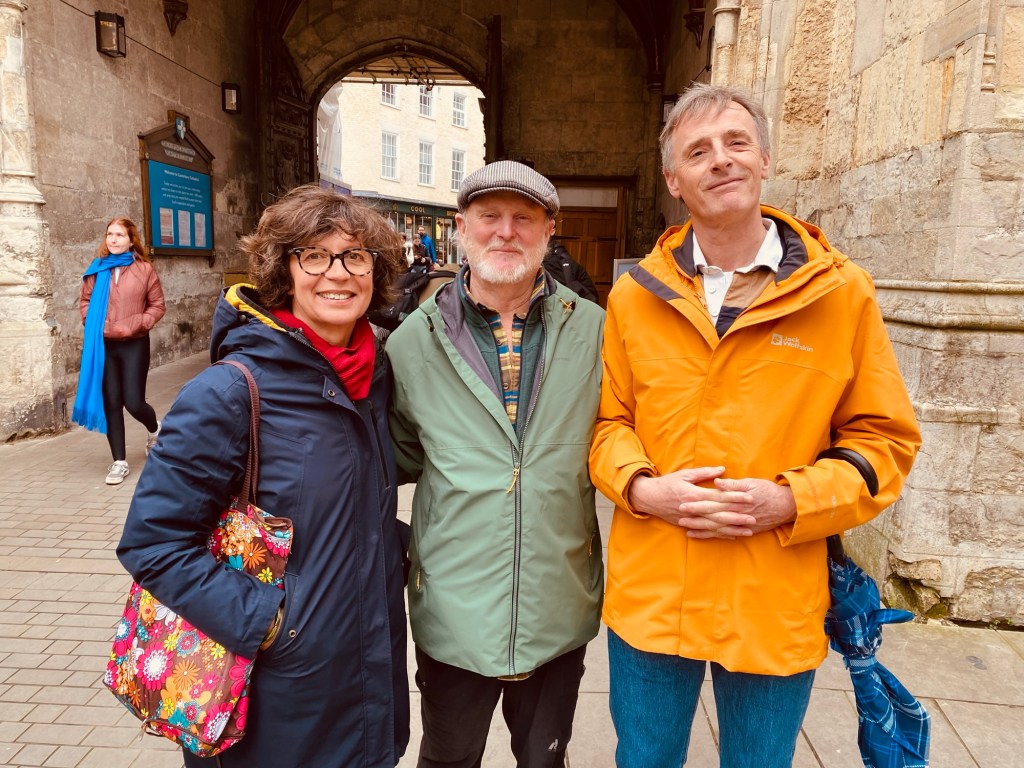
After arriving in Canterbury the night before, we met Guy’s cousin Tom and his wife Aline at a pub where we had a nice visit and catch up. We hadn’t seen Tom since 2016 and it was our first time to meet Aline so it was great to see them.
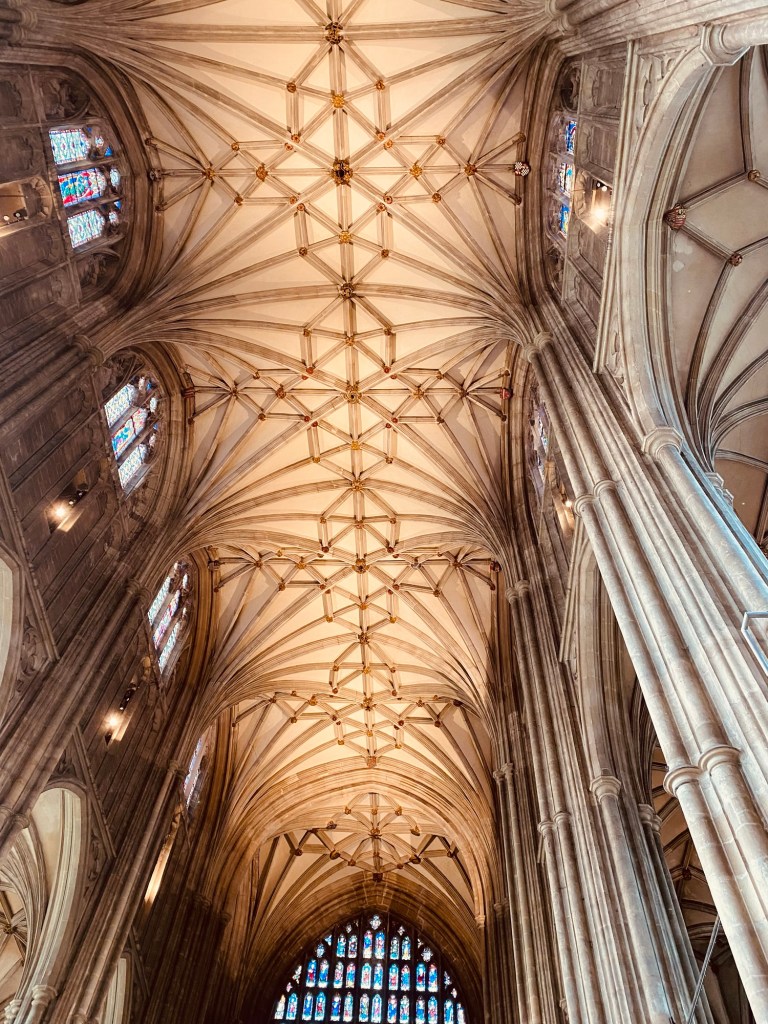
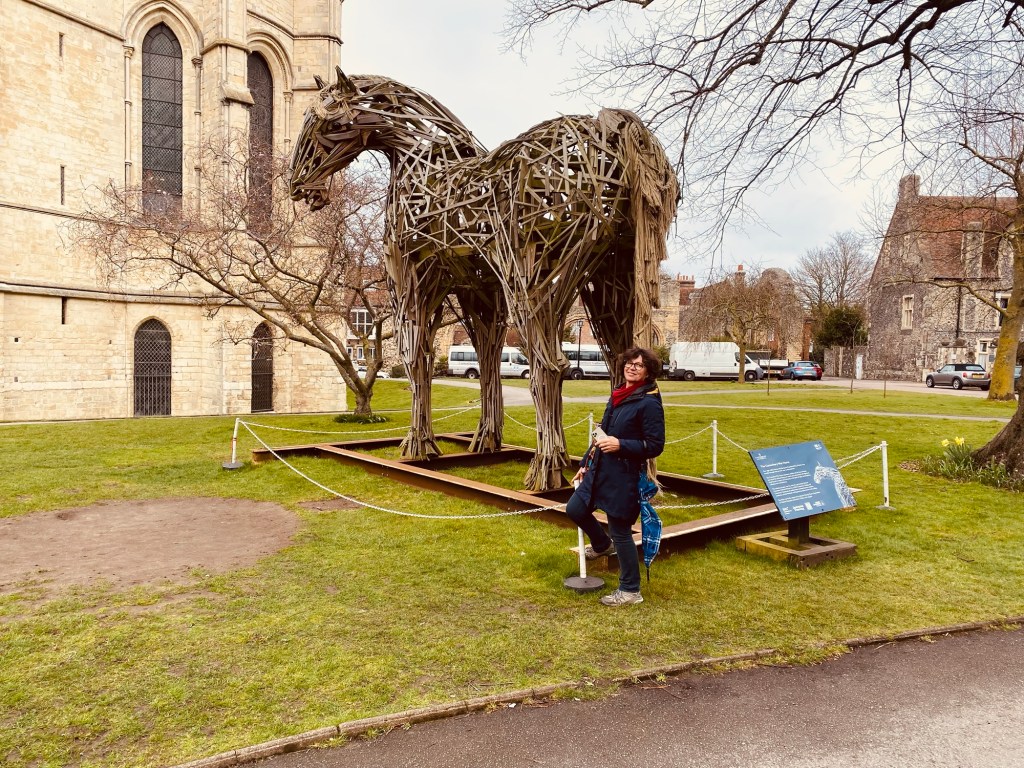
In the morning, we attended a service at Canterbury Cathedral which included a wonderful choir. Afterwards, we wandered the insides of this majestic cathedral and then spent some time meandering the gardens and cloisters aroud it.
We had lunch and then Tom and Aline headed off to Lyme Regis, a few hours drive east of Canterbury, to see his mom. Guy and I went back to our campsite to look after our colds with some rest. It was a brief visit but so great to see them both.


March 24th
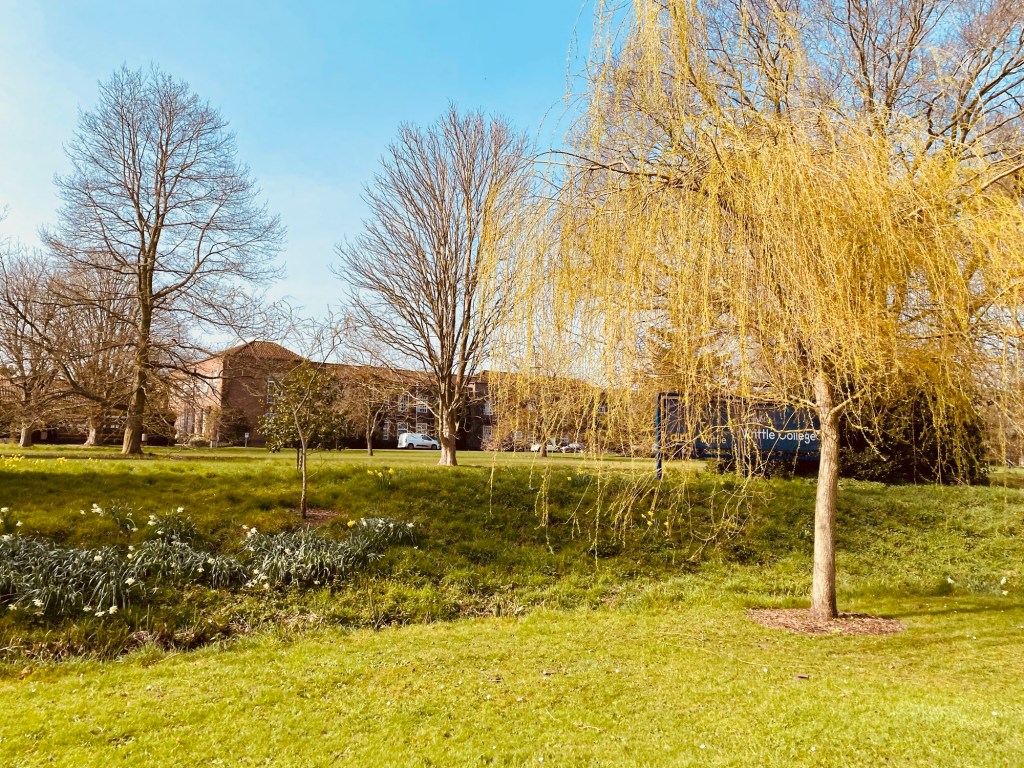
Our destination from Canterbury was Woodbridge in Suffolk. Enroute, we stopped near Chelmsford at Writtle Agricultural College where Guy studied horticulture years ago. It was a trip down memory lane for him.


Afterwards, we drove the hour or so to Woodbridge in Suffolk, had a look around the town, and found our campsite, Dan Meadows Farm, where we would be staying for a couple of nights.
March 25th
After breakfast, we walked the one hour or more into Woodbridge. It is a lovely little village on banks of the river Deben. The town has a museum that houses a ship in the process of being built to replicate the one found in an ancient burial site nearby called Sutton Hoo.
We wandered through the museum and then went for lunch, and then headed back to our campsite on the river walk along the estuary.
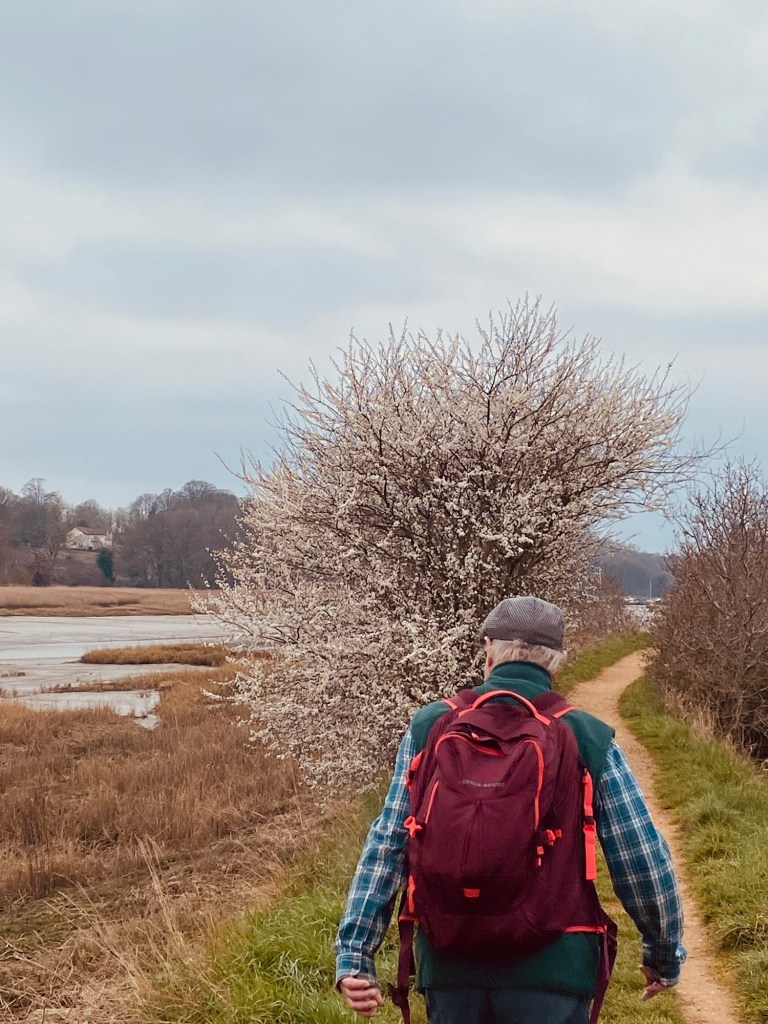

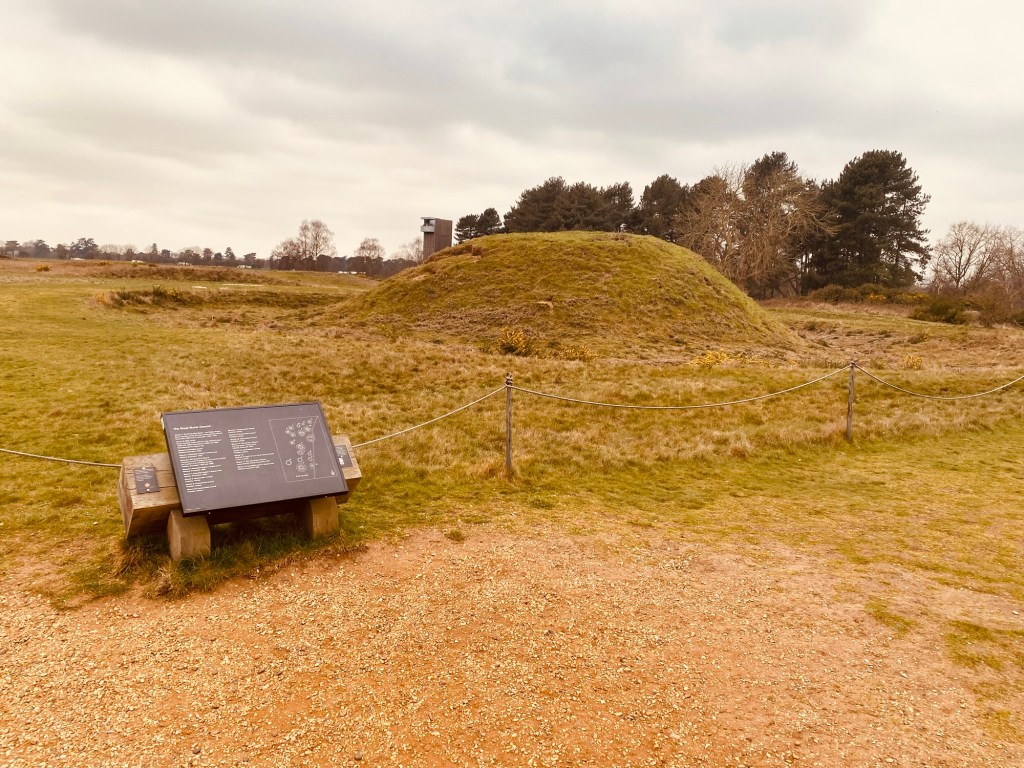
Then we drove the 15 minutes from our campsite to Sutton Hoo to discover a bigger story about the aforementioned burial site.
In 1938, at a country house in Suffolk called Tranmer House, the owner Edith Pretty employed an archaeologist to take a look at the mounds she could see on her property. In 1939, the archeologist found an Anglo Saxon ship burial, the biggest one ever found. They found a shape of a ship (the wood structure disintegrated over time) a burial chamber in the centre of the ship and lots of treasures. No body was found as the acidic soil made for a complete eroding of any bones. A team of archaeologists was brought in. Other burial mounds were excavated too finding more graves and treasures. The ship burial was likely that of King Raedwald of East Anglia. (nationaltrust.org.uk and wikipedia.com)
Before walking out to see where the burial mounds were, we went to the interpretative centre and Tranmer House. Both had excellent information about the different aspects of the site. Then we went out on the land to take a look. All you could see were the mounds and it was up to your imagination to conjure how it would have been there back in the 6th or 7th centuries when the burials were taking place.


Later, we had a great meal in an old pub near the campsite to top off an excellent day.
March 26th
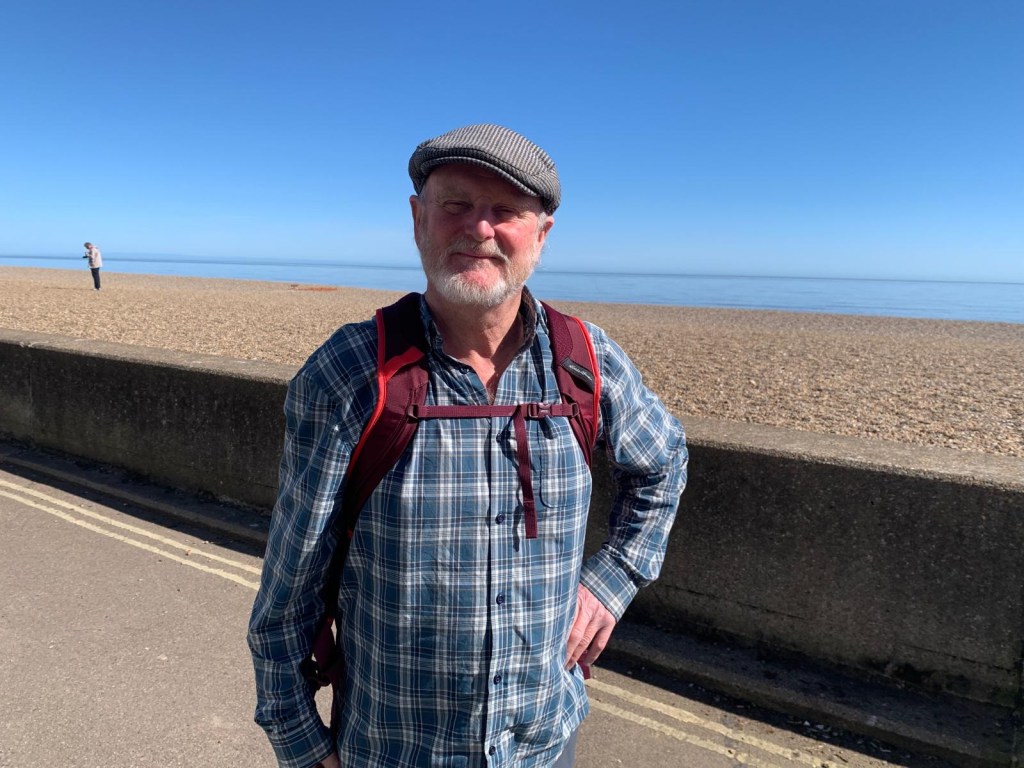
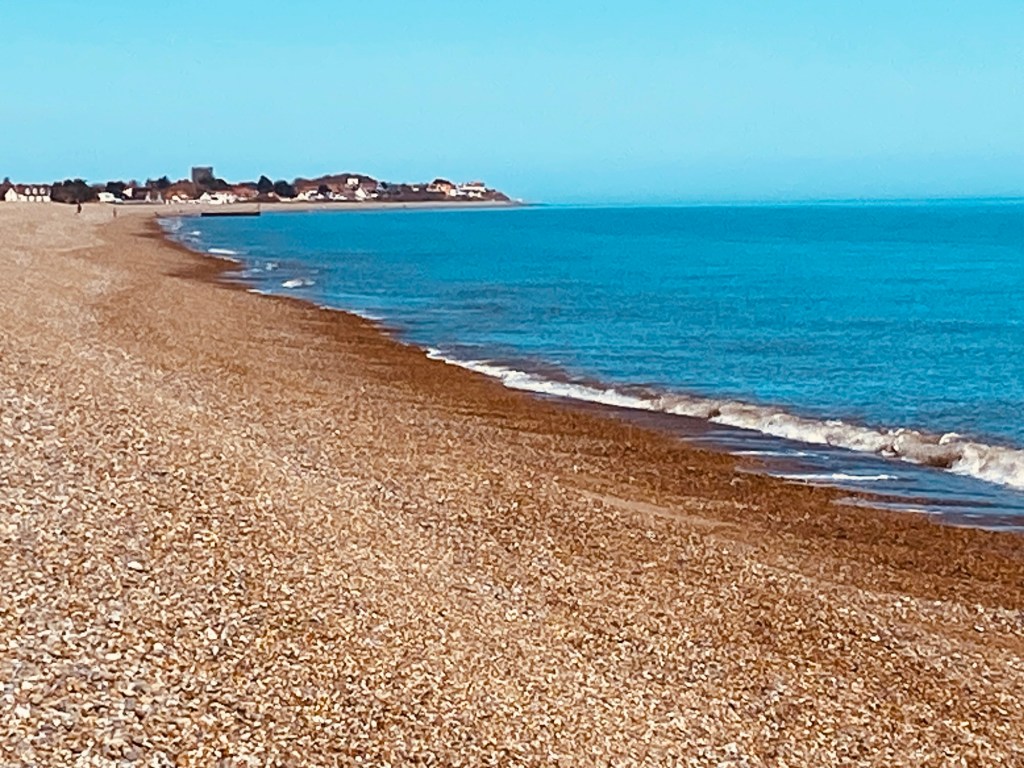
We spent the morning in a lovely little village on the North Sea called Adleburgh. We wandered the promenade, ate some smoked salmon from a fish shop, and then had some chill out time on the beach in the sun.

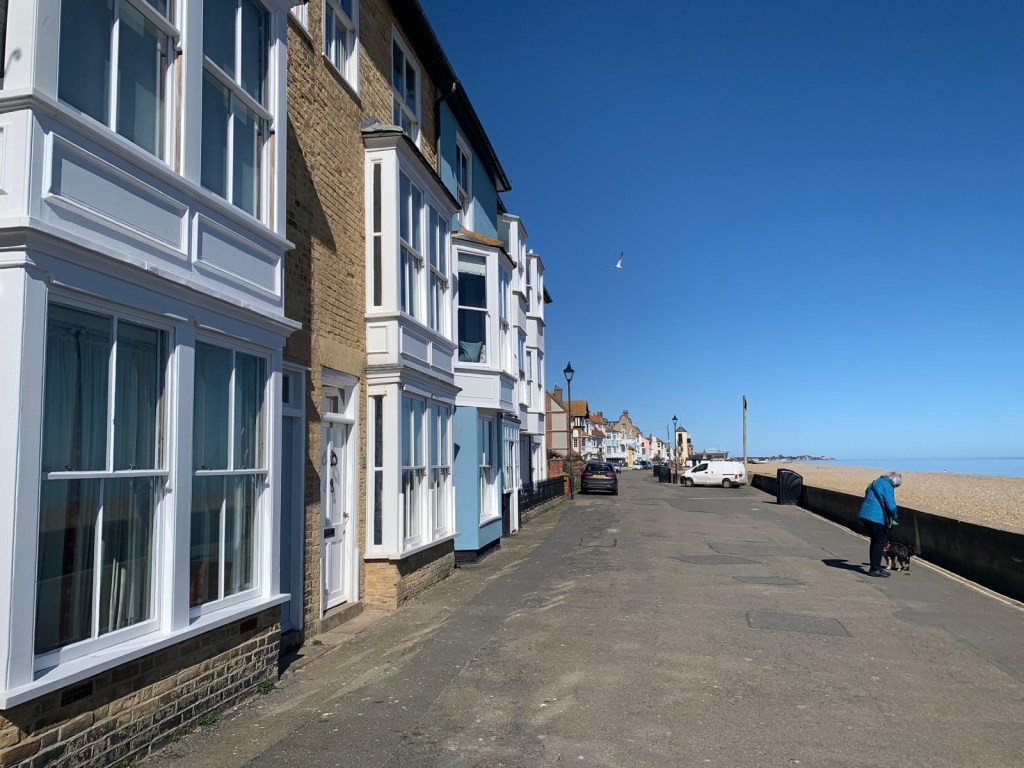
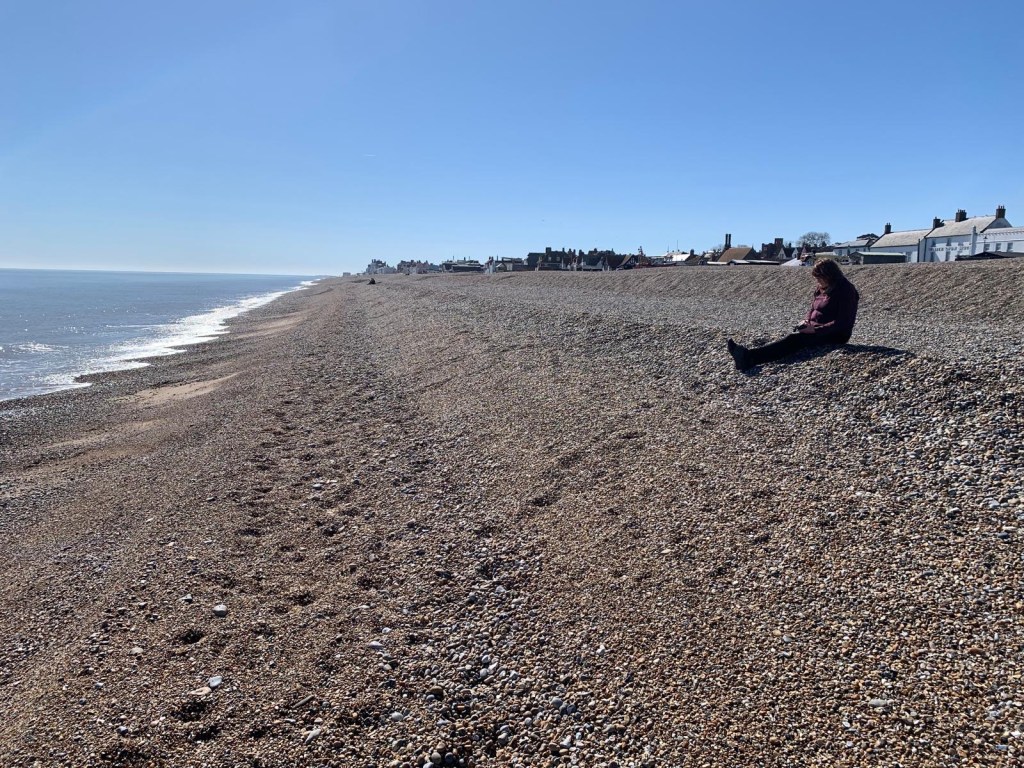
Afterwards, we drove the 2 or more hours from Suffolk to Norfolk towards Sandringham where our campsite was located on the Royal Estate. In keeping with the royals, we enjoyed afternoon tea and biscuits in the camper. Then we went for a walk through the forest before settling down for a cozy evening in the camper.
March 27th
Norwich Day and walk around Royal Parklands. (Already did entry on this day).
March 28th
We drove from Sandringham to Milton Keynes in Bedfordshire to visit Guy’s very good old friend Karen. Karen was with us earlier in the trip at Devizes when we visited Bath, Stonehenge and Guy and Karens’ old friend Brian the Lion.
We had a nice visit and then dinner out and then watched an episode or two of a comedy we happened upon since arriving in the UK called Friday Night Dinner”. We had some laughs!
March 29th
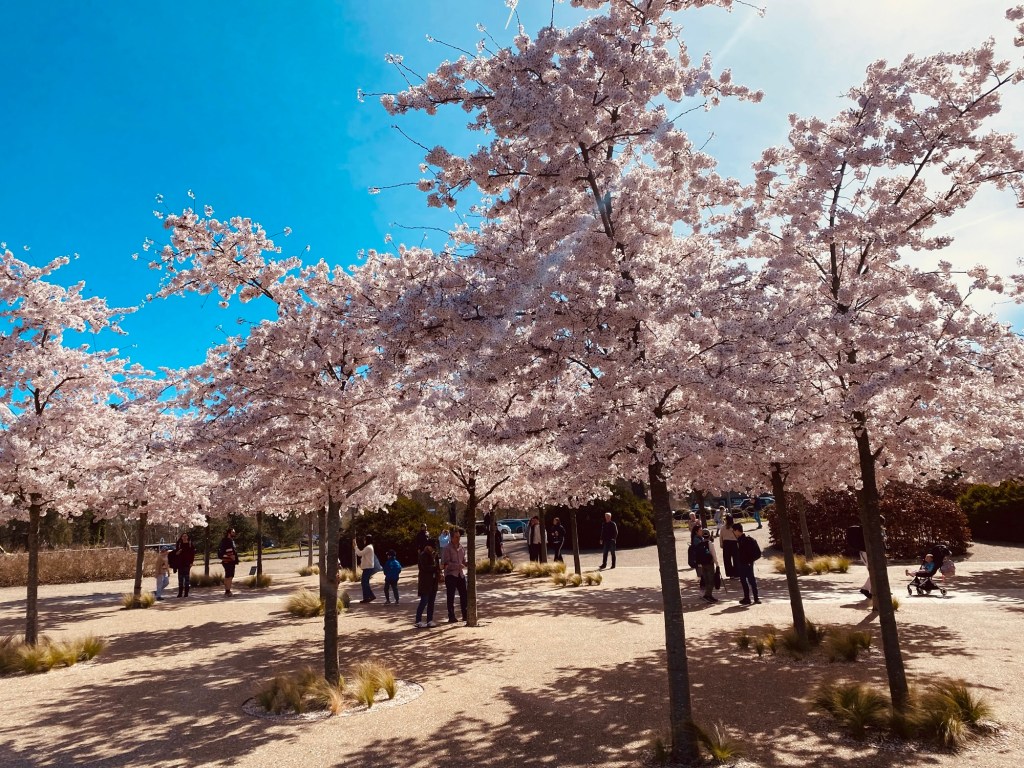
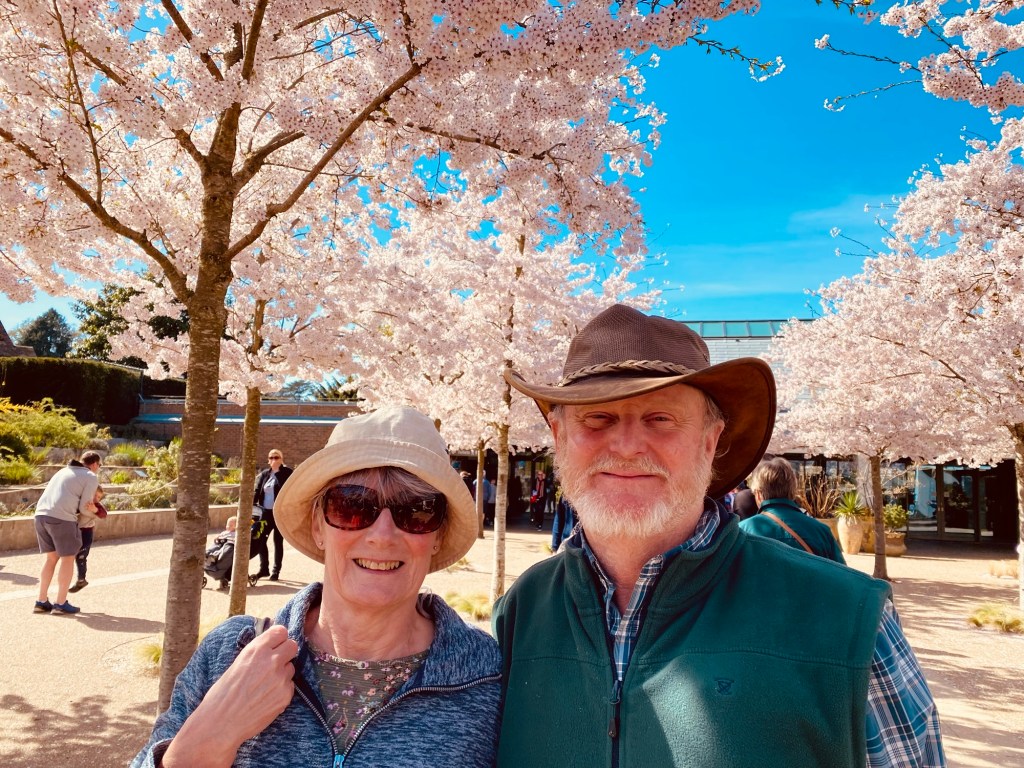
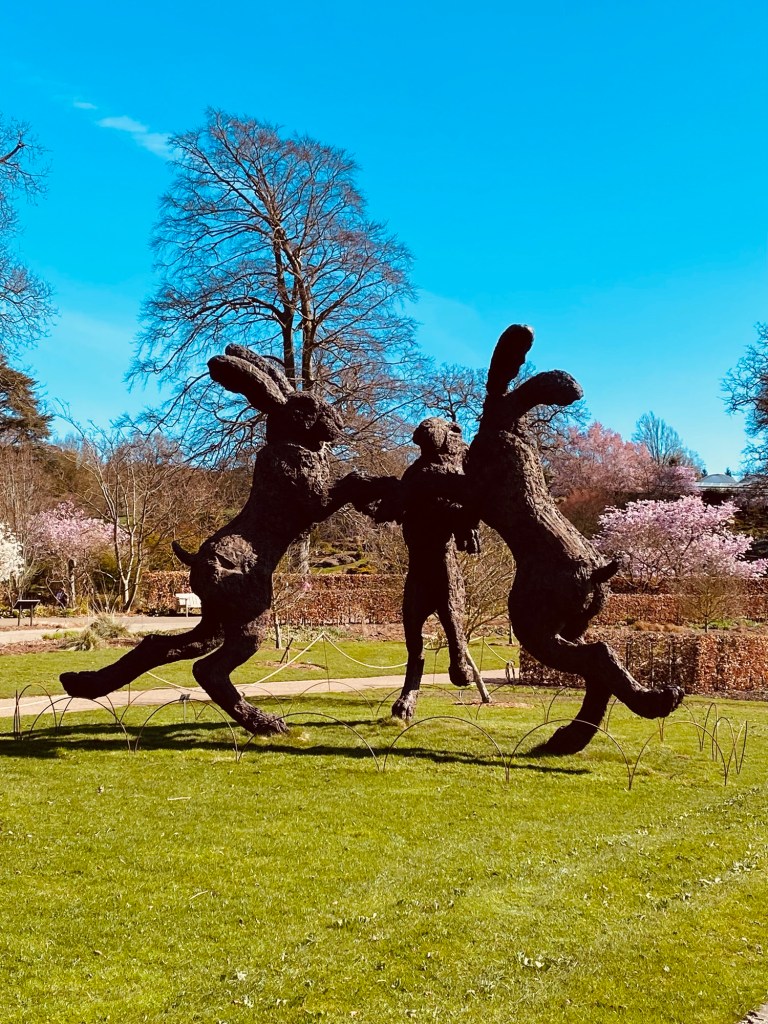
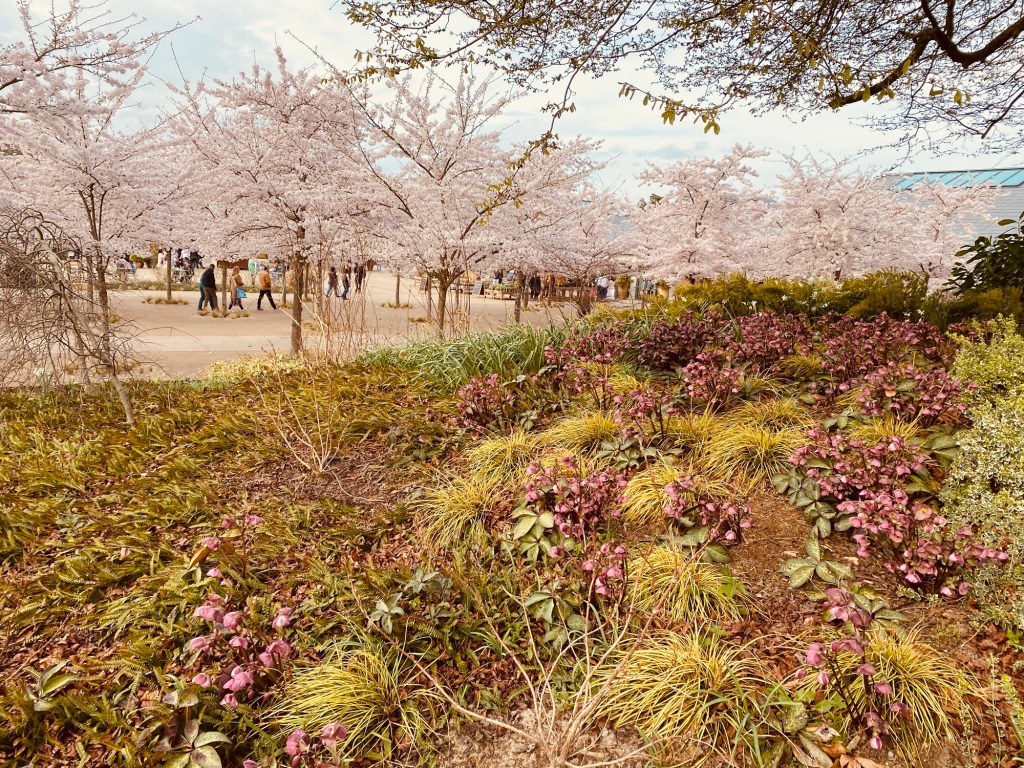
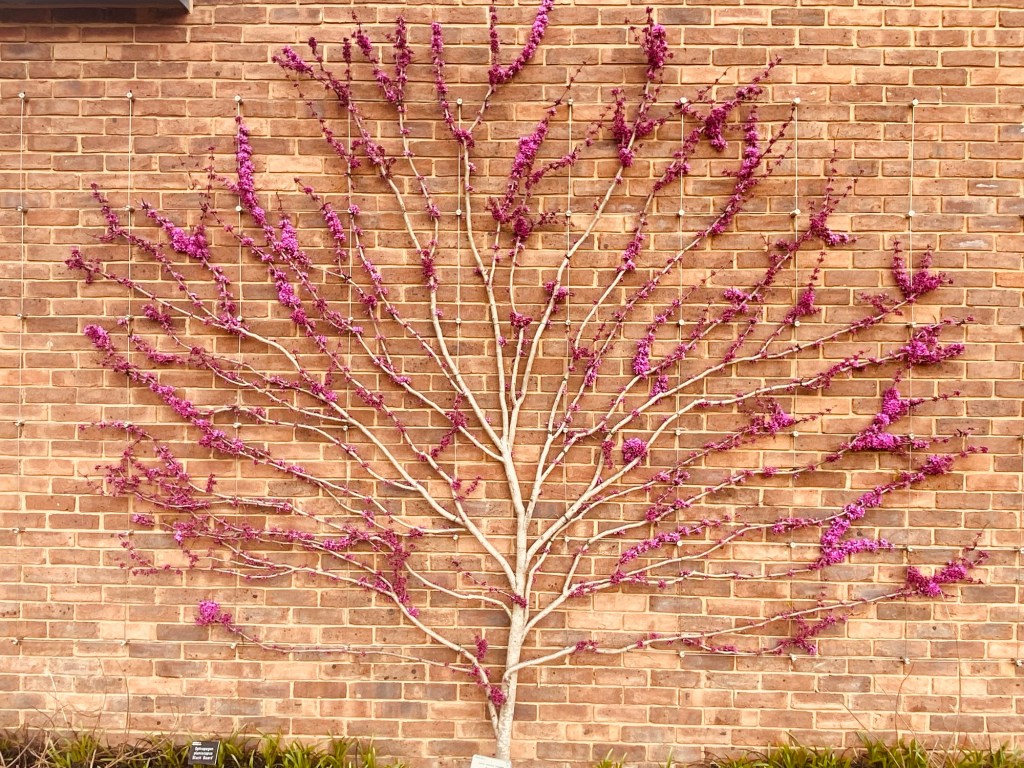
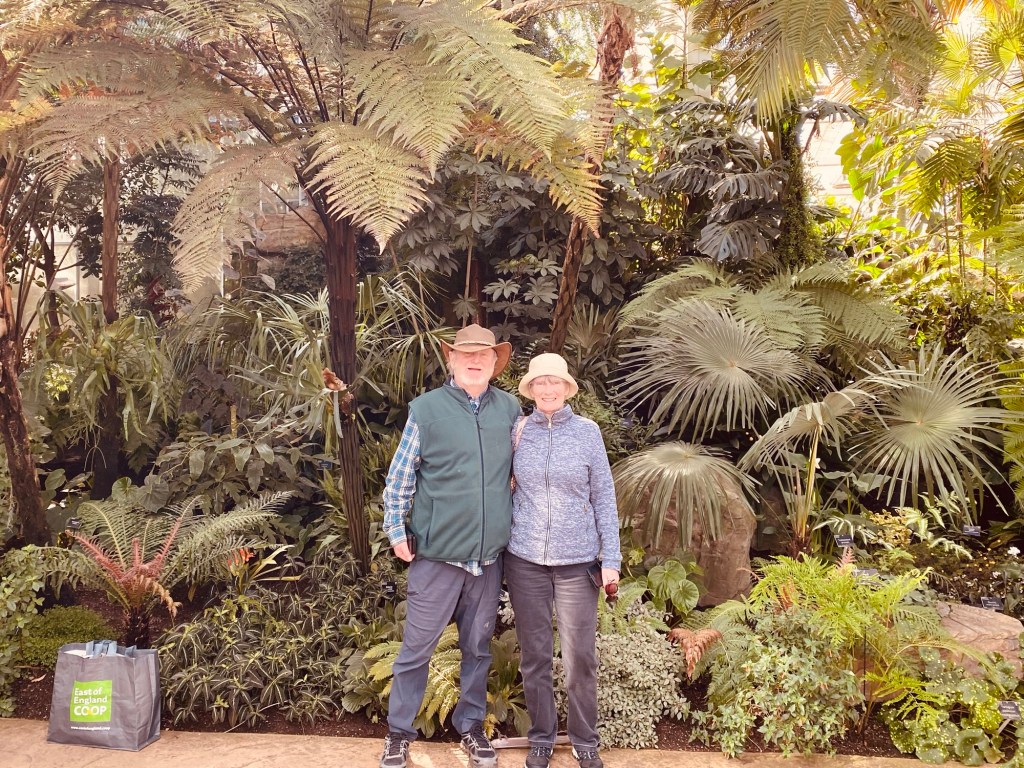
In the morning, Karen drove us the 1.5 hours or more (traffic) to Wisley Gardens, one of the Royal Horticultural Society gardens in the UK. When we arrived we were greeted by a grove of fluffy pink ornamental cherries at the entrance. It was awesome. We had a picnic on the lawns followed by a few hours of wandering some of the 240 acres of gardens. RHS Wisley is the second most visited paid gardens in the UK and well worth a visit.

March 30th.
We visited Aspley Guise this day, the village where Guy’s mom Anne grew up and where she and Hugh raised their family for many years. The intention of the visit was to go to visit her grave. When we planned to visit Karen and go to Aspley Guise, we had no idea it was Mother’s Day ( it’s celebrated in May at home) on the Sunday of that weekend. Very serendiptitous.
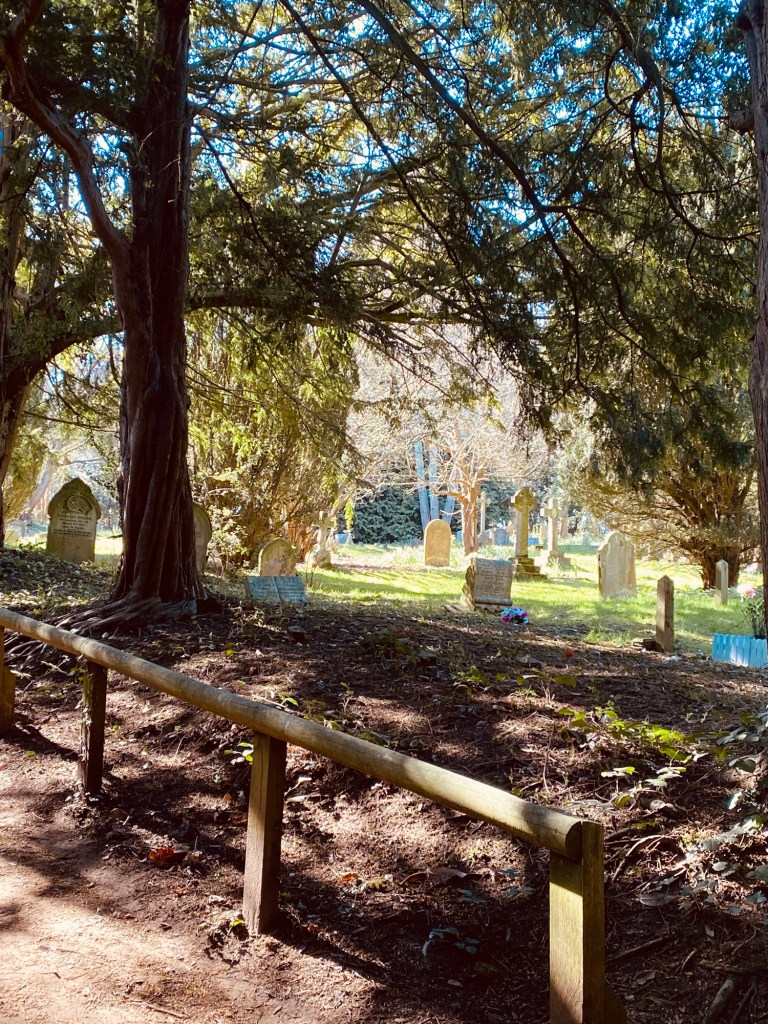
After a meal at the Anchor Pub in Aspley Guise, we walked to the graveyard across the street from the church and spent some time there honouring Guy’s mom. Her ashes were brought back from Canada a couple of years before to lie with her mother. We did a bit of weeding and placed some flowers on the grave and Guy said some words. It is a beautiful graveyard, and ever more so that spring day as the sun sparkled through the leaves of the trees that fluttered gently in the breeze.
We walked the streets of Aspley Guise and saw Aspley House, the old manor that Anne’s descendants used to own and the only home she knew until 10 years old or so. The house is very large as are the beautiful grounds that surround it. I took a very quick photo as I was told by Guy’s sister that the property had security now.

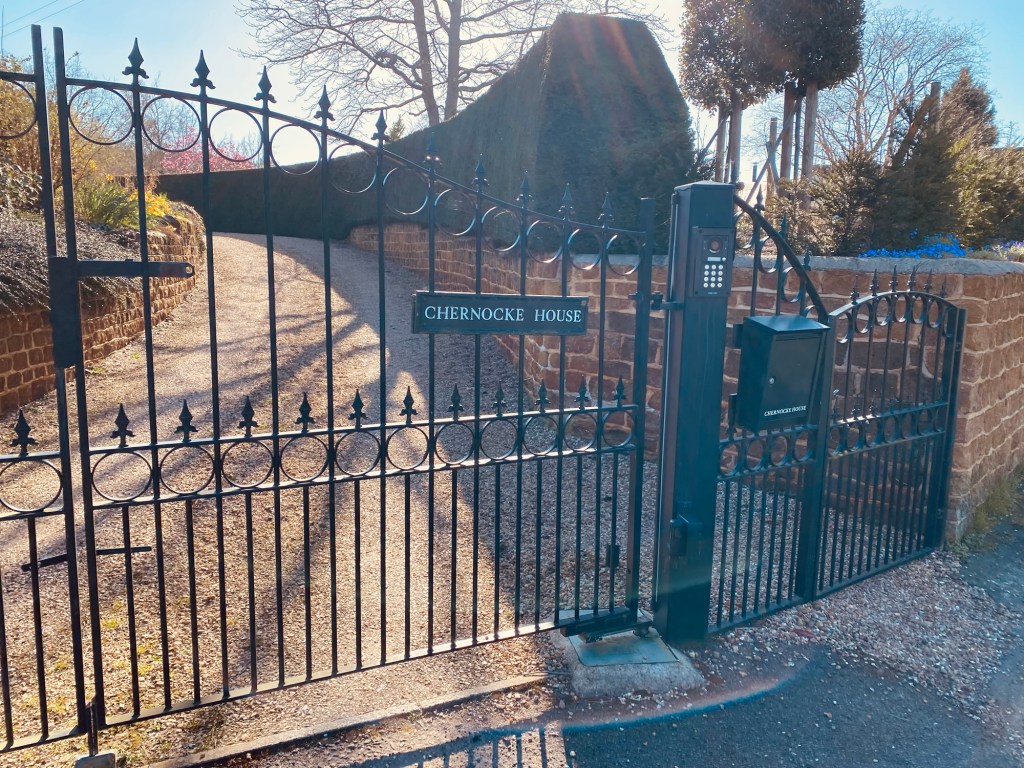
Afterwards, Guy showed us the house he spent many years at, Chernocke House. What a lovely old pink thatched cottage. With the rod iron gate, it looked rather posh.

Guy walked us around the gorgeous little village pointing out where the butcher used to be and the sweet shop, the baker and the news agent. All these little places are gone now and the community must shop further away in the village of Woburn Sands, just down the way or in the bigger centre of Milton Keynes.
Guy also took us through Aspley Woods, an area that he used to walk in with his family as a child. The woods have changed greatly over the years with tree thinning obviously having occurred leaving young trees, sandy soil and little undercover. Guy was sad about this change.
We cheered up later at Karen’s with a simple scrambled egg and toast dinner followed by 6 episodes of “Friday Night Dinner”.
All in all, it was a very good day.
March 30th
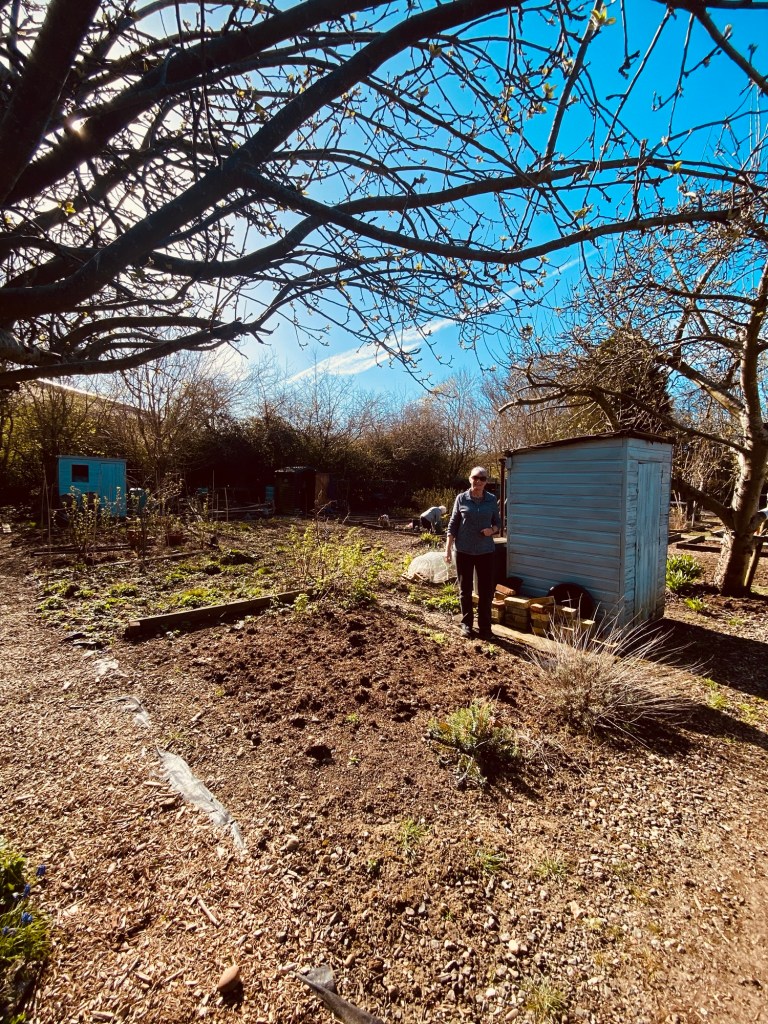
Up early, we had a short walk over to Karen’s allotment garden. I was impressed by the size and the potential to grow a lot of food and flowers. As usual on a trip like this during the planting and growing season, I experience horticultural envy. There is no cure but to buy plants and work in the garden so will have to wait until home.
We were sad to say goodbye to Karen after a wonderful couple of days with her. We set off to Herefordshire, mid morning, to see my old friends Sarah and Arch in a town called Kington on the Welsh border. Sarah and I worked together years ago at Capers in West Vancouver. We became friends and in 1997 cycled the Oregon Coast together from Southern Washington State to Northern California.
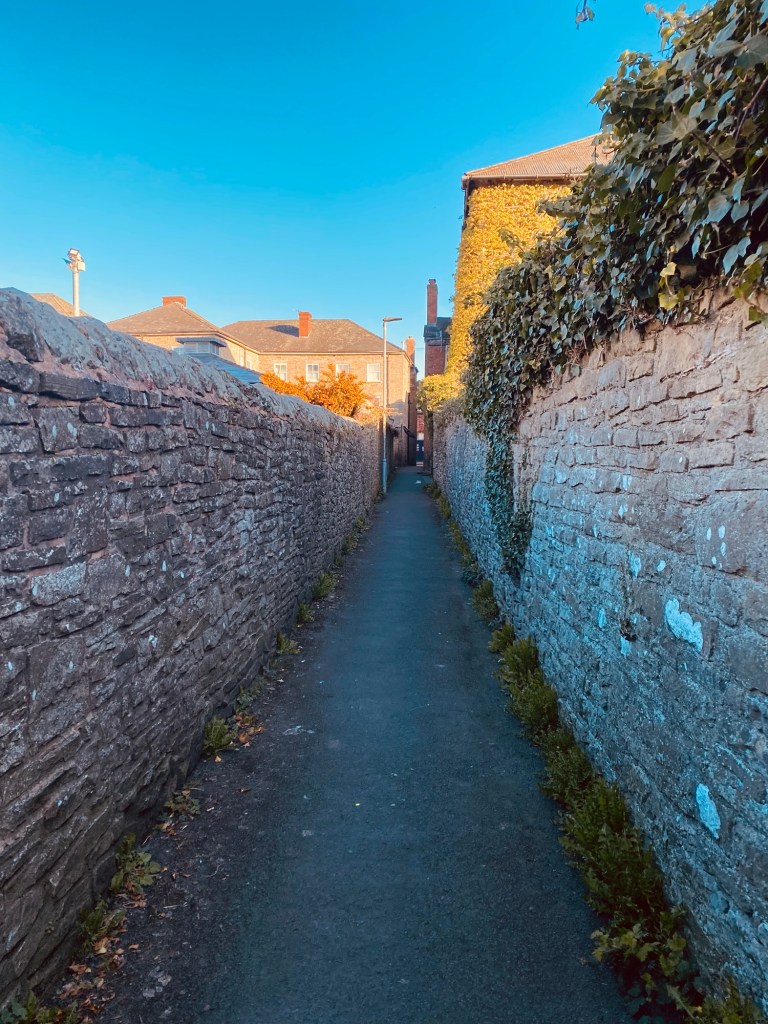
We arrived at our campsite “Fleece Meadows” in Kington around 3 pm. We set up camp and then Sarah and Arch came down the hill from their house to greet us. We walked around the town a bit and then to the pub for a pint and then had the sweet walk up through the old village to their home for a fantastic vegetarian meal. Later, Sarah navigated us back down the hill in the dark in the direction of our campground. It was a wonderful reunion of friends.

April 1st
We woke up to another day of sunshine. We have been so lucky with the weather since we arrived here in The UK February 28th.
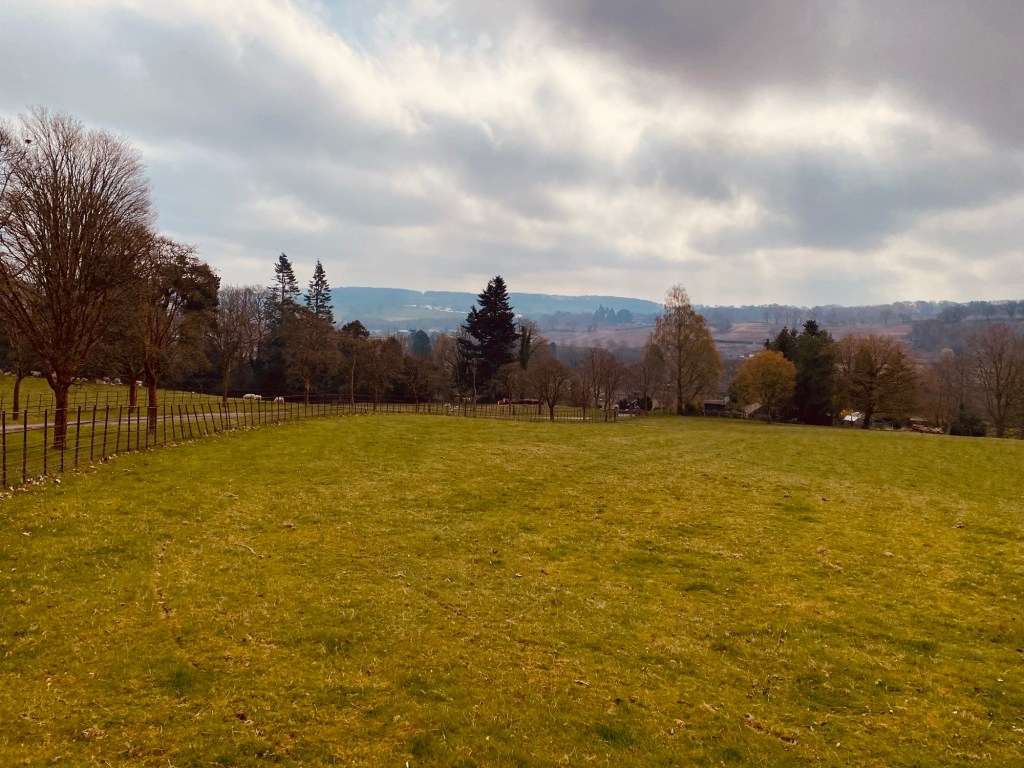
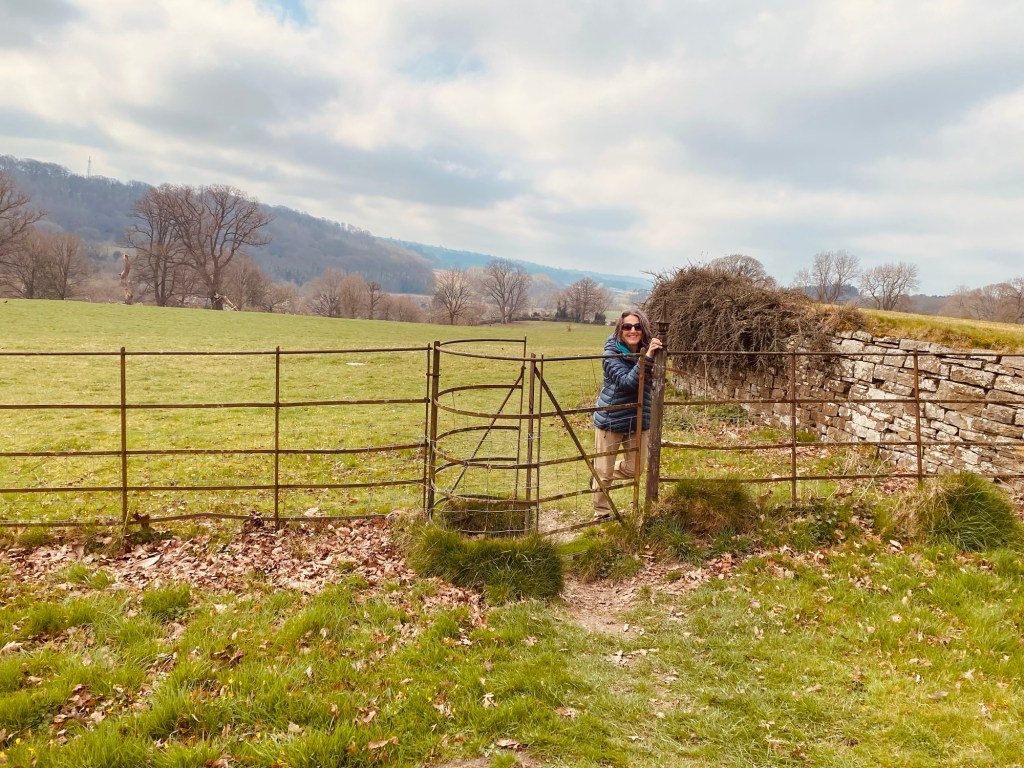
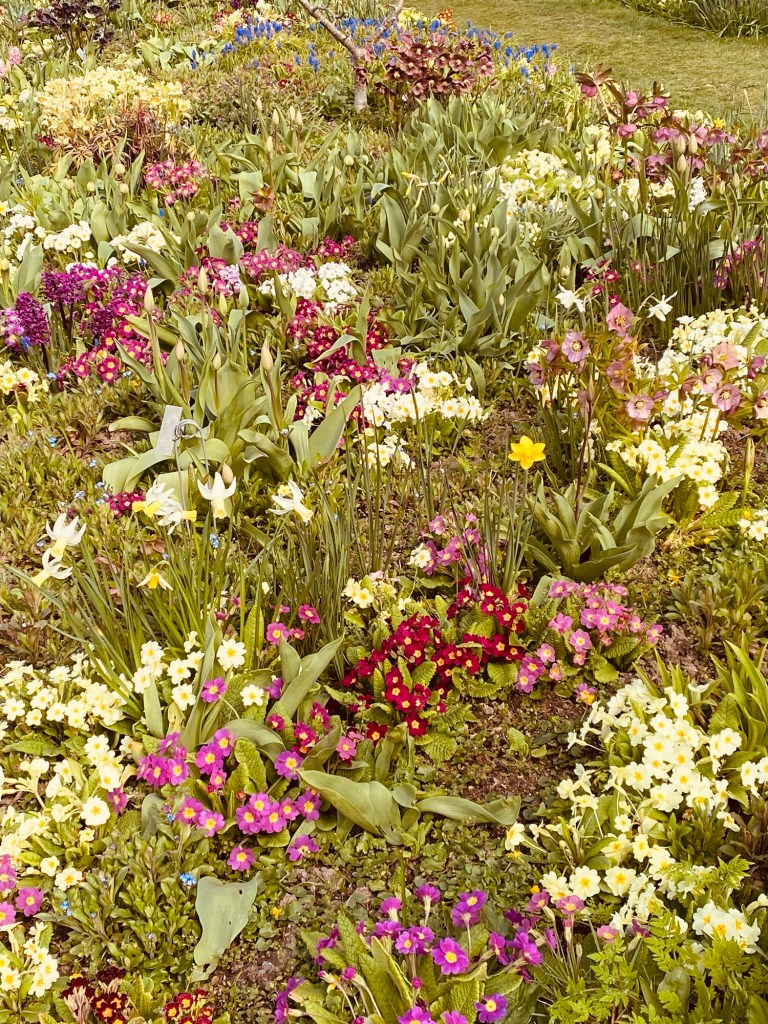
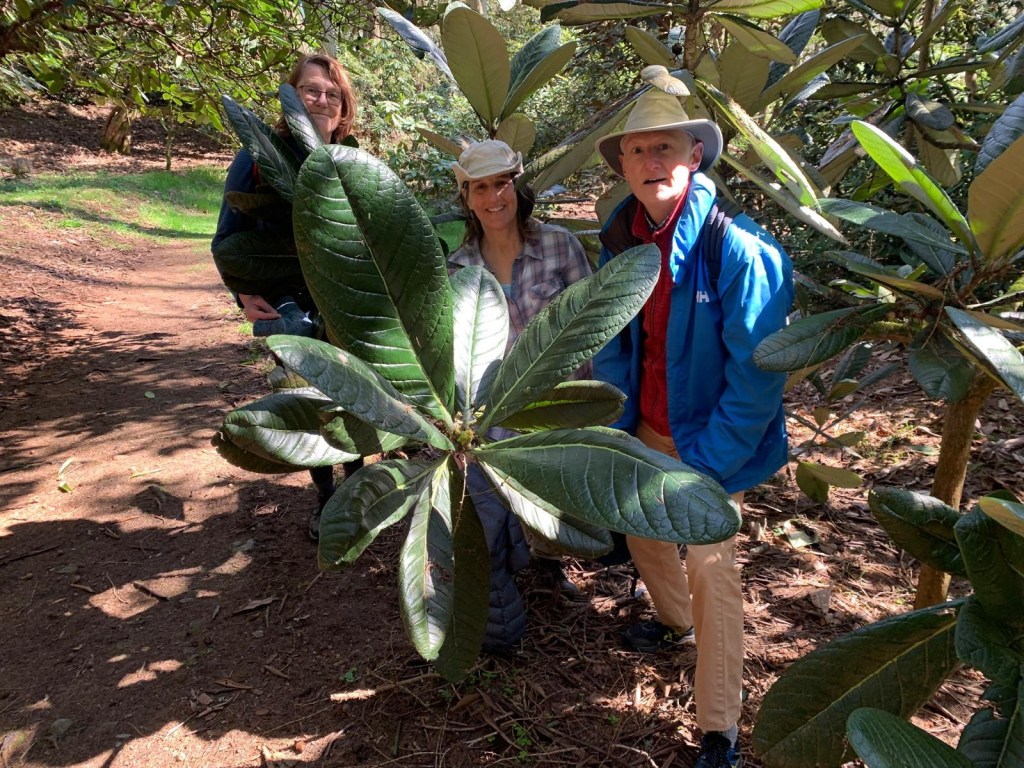
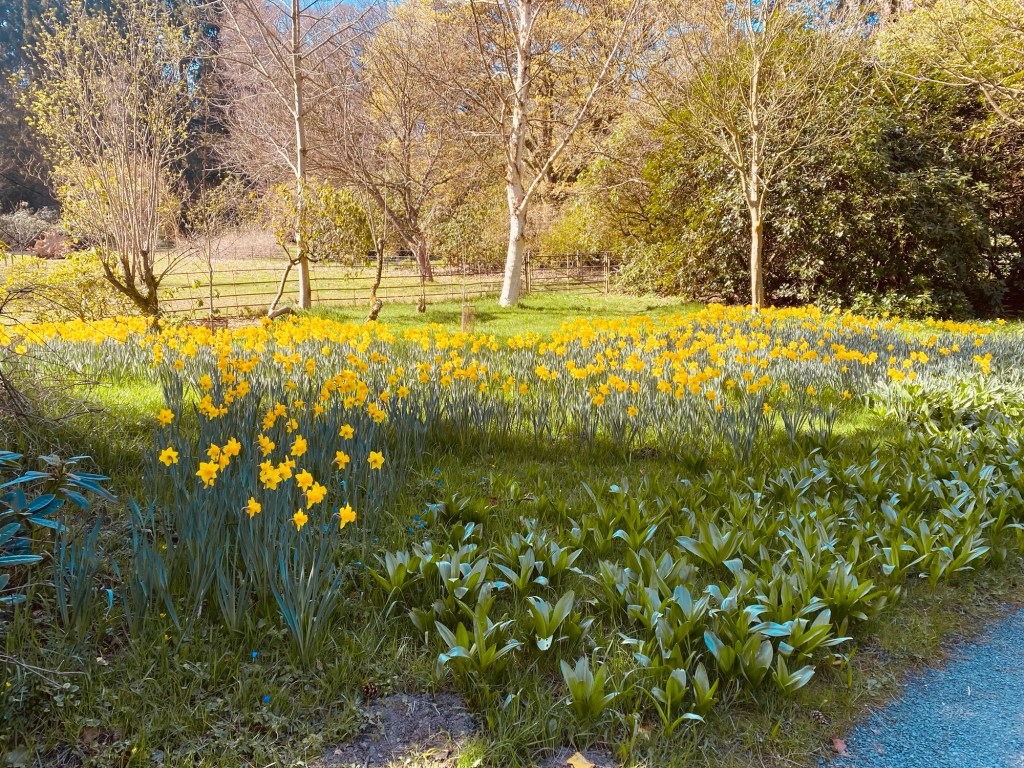
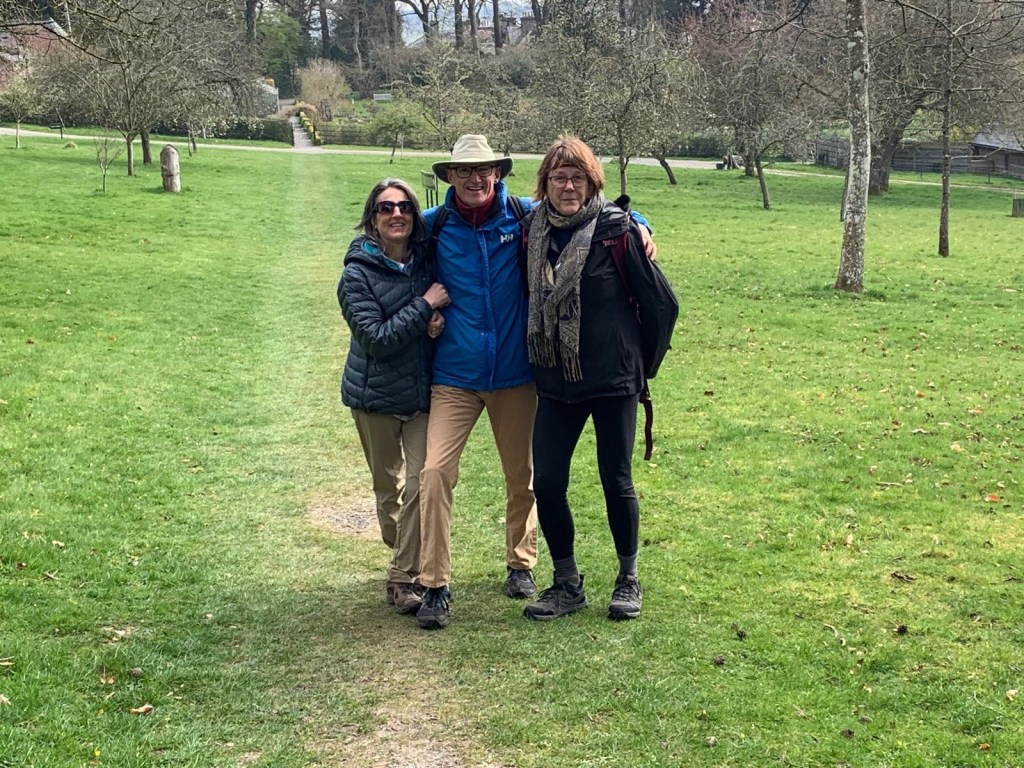
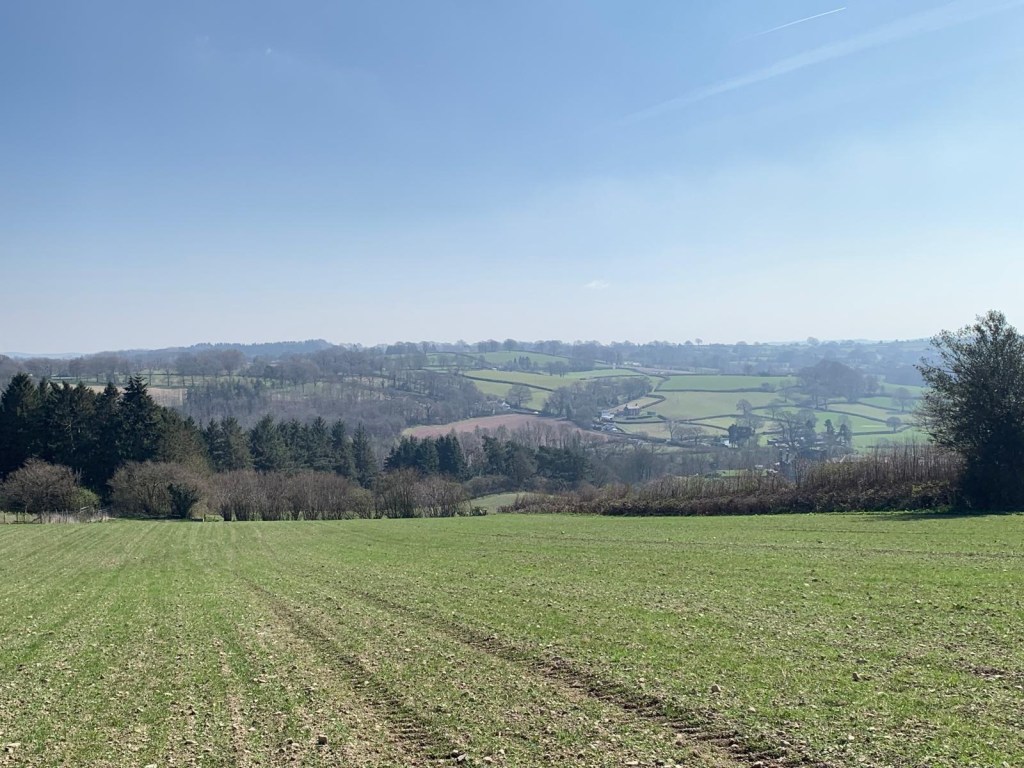
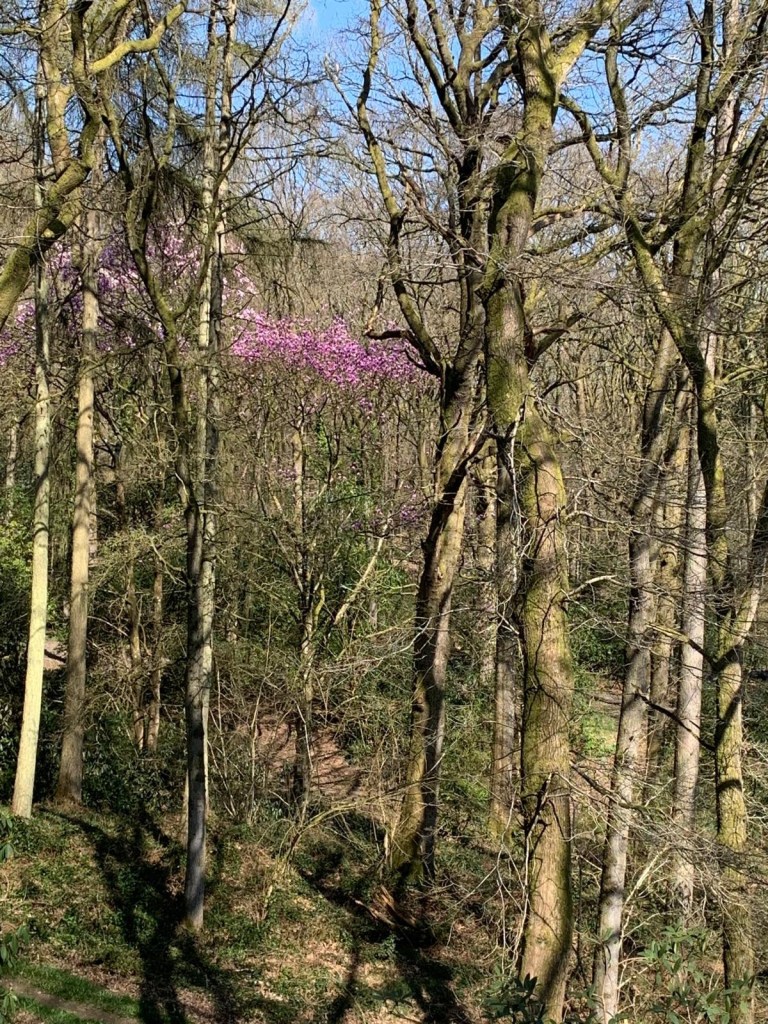
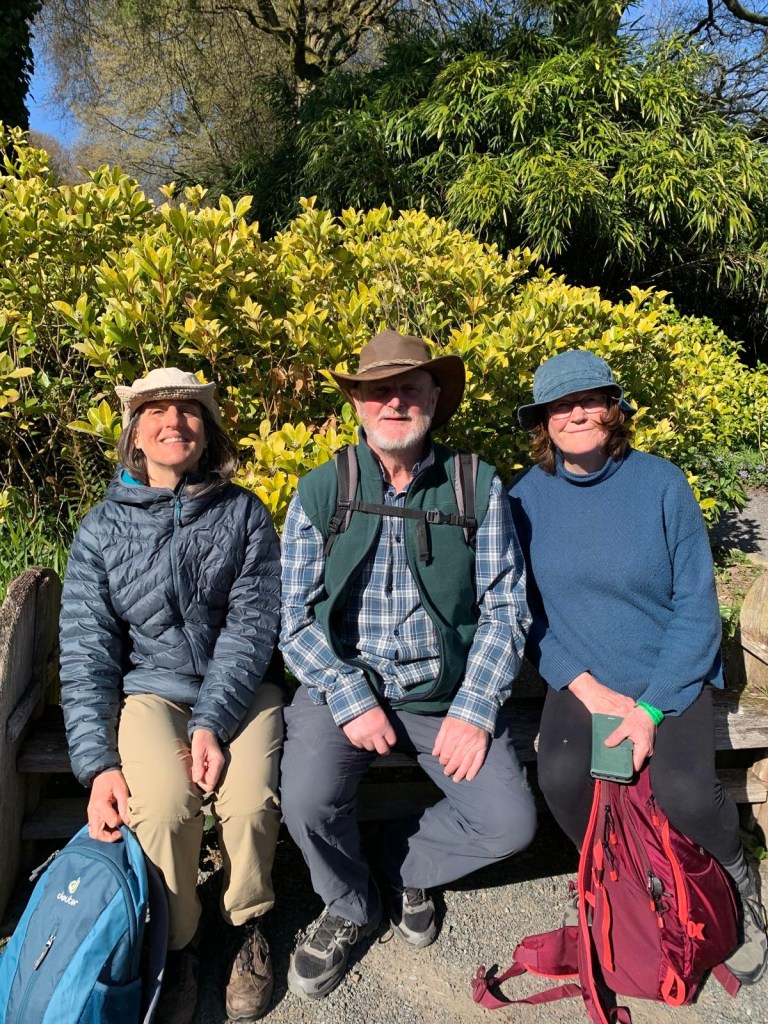
Sarah and Arch took us to the hills above their village to explore the woods and gardens. It was a lovely day walking through the woodlands overlooking Kington and spending time in the Hergest Croft Gardens. We even had a picnic. Yes, it’s warm enough for picnics in the UK.


After a great day out, we enjoyed a delicious meal at the local Thai restaurant. Then we walked back to the campsite for a good nights sleep.
April 2nd
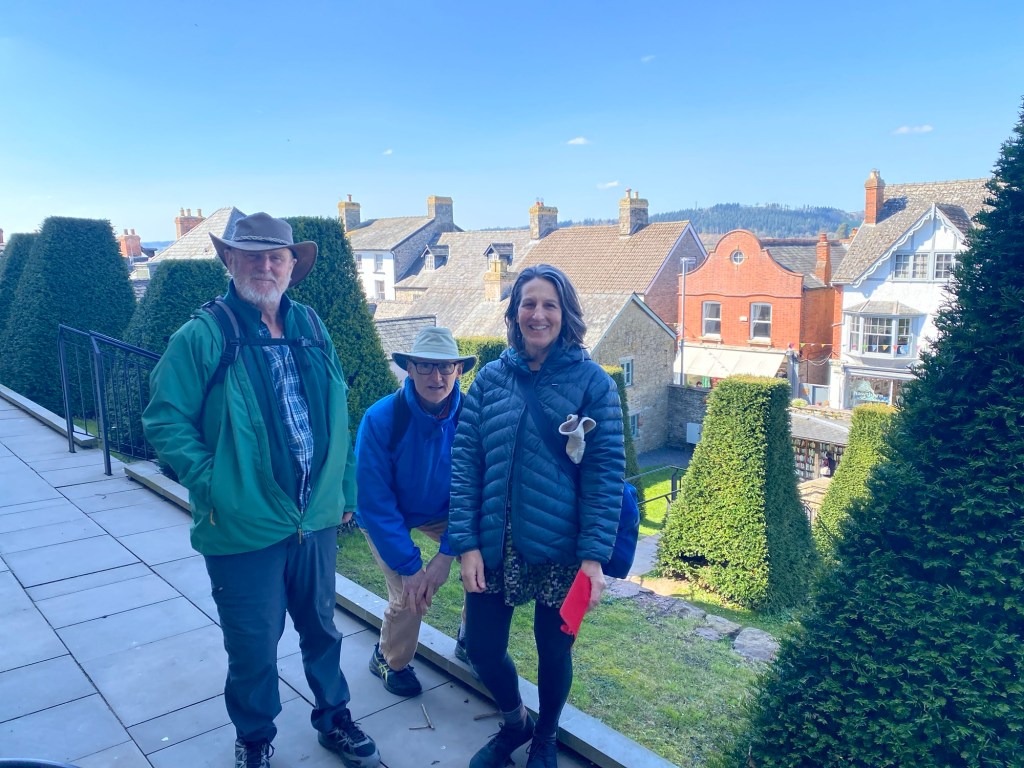
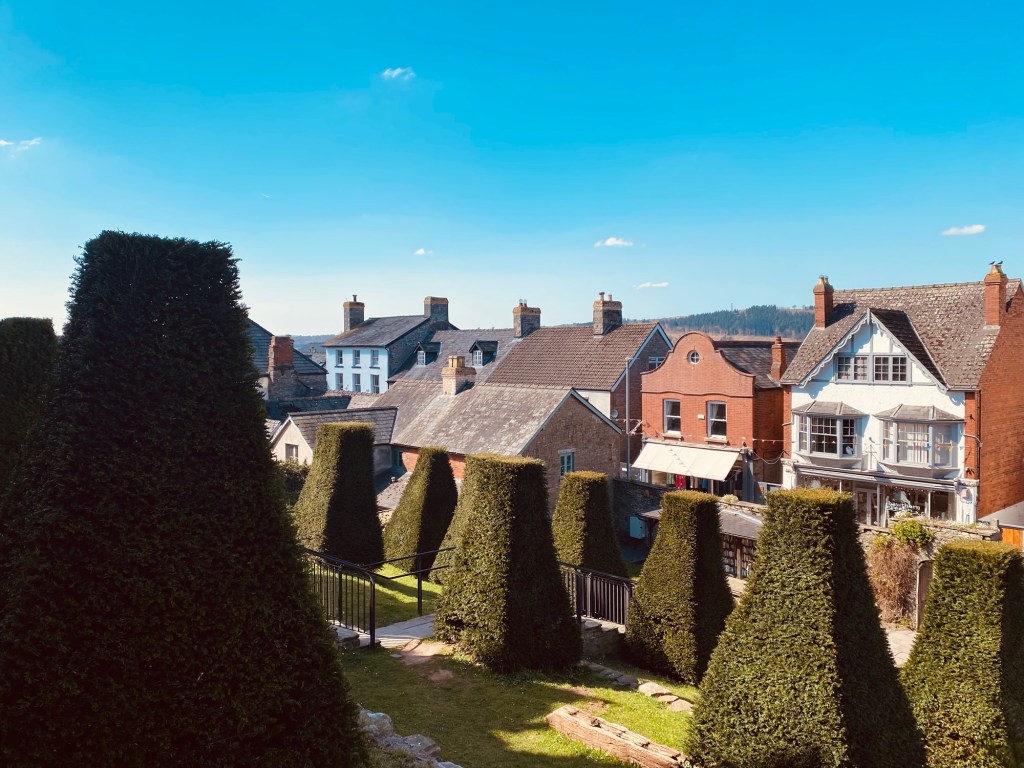
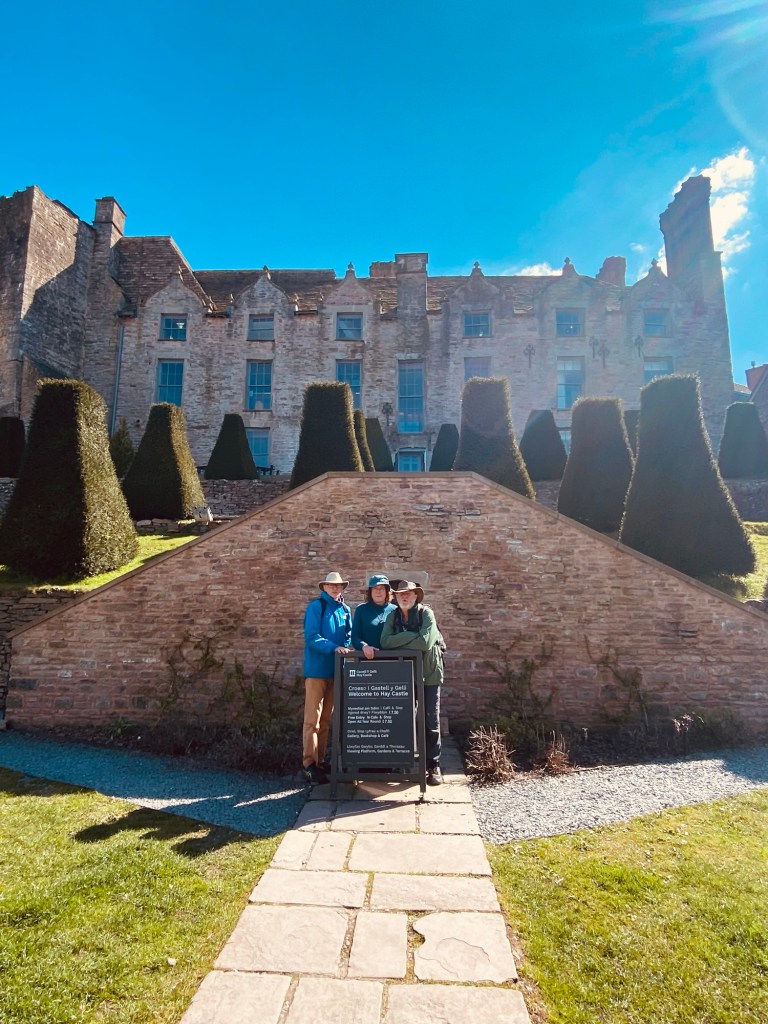
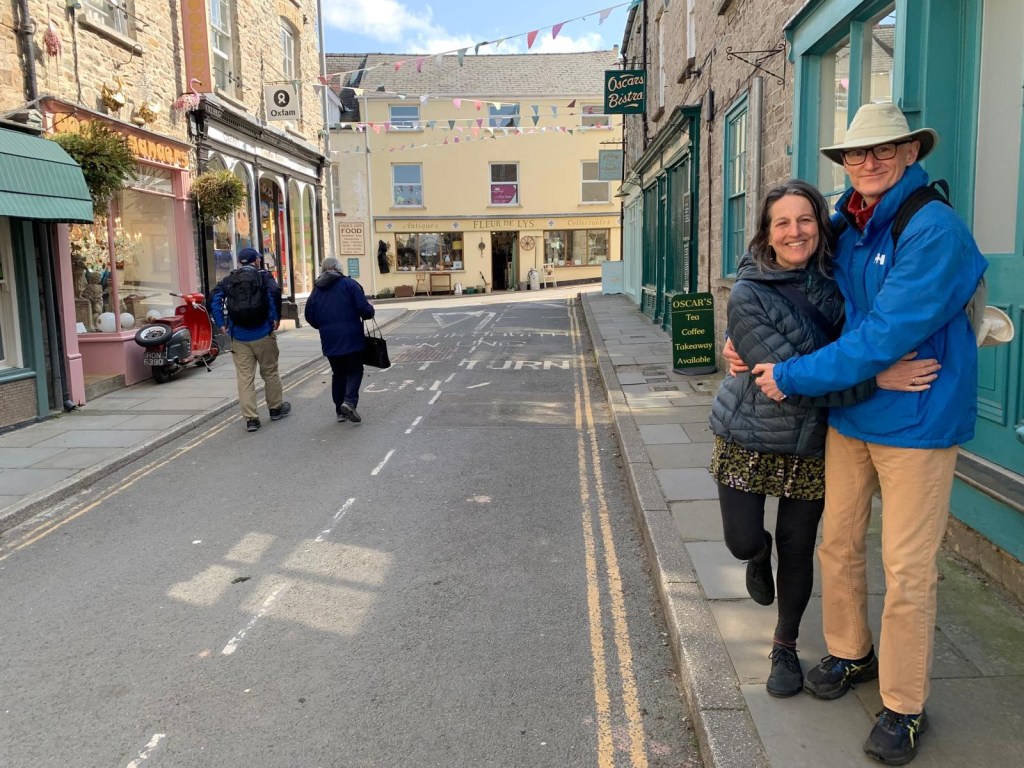
Sarah and Arch picked us up in the morning at the campsite for a days outing to the local town Haye on Wye. We tripped about the town, looking in thrift stores, book stores, art galleries, guitar shop, visited the castle and had lunch out. Haye on Wye is known for being the largest second hand bookshop centre in the world. It also has a yearly festival that brings writers and readers together called the Hay Festival which happens this year late May into June.

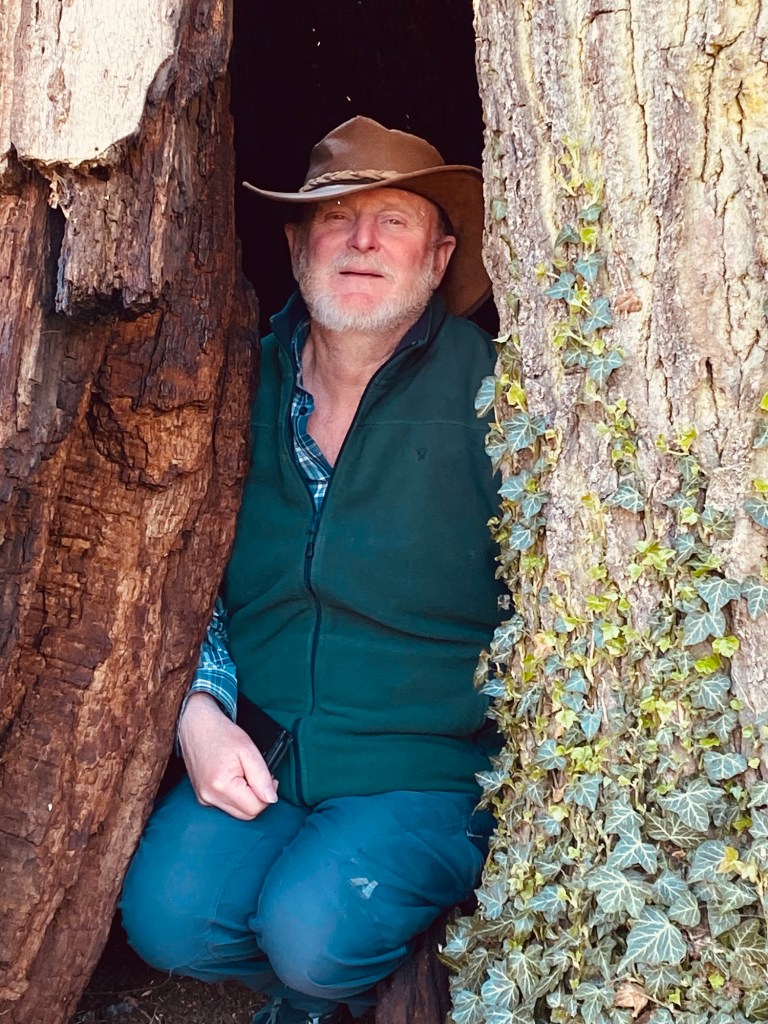
On the way back to Kington, we visited a 650 year old oak tree that Arch knew about on some random road.


That night, Sarah and Arch had us over to their house for a wonderful vegetarian meal. And then we walked back to the Burton Hotel where they had generously treated us to a night’s stay as a break from the camper.
April 3
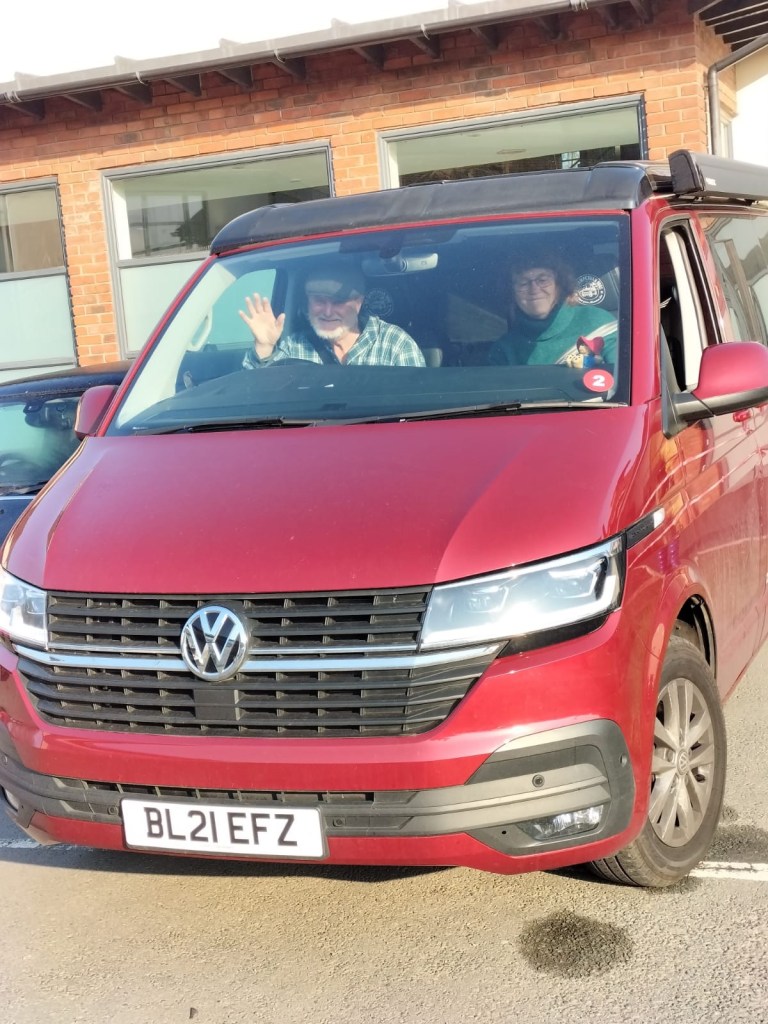
We got up and had the complimentary breakfast at the Burton Hotel. Then we got ready to leave for Cardiff via Tintern Abbey. Sarah and Arch walked down the hill from their home to wave us off after a great visit. They took some pictures of our departure. We were going to miss them.
We arrived in Tintern Abbey around 10:30 am after a very picturesque drive along the River Wye. The Abbey rests on the banks of the river. It is a stunning ruin.
Tintern Abbey dates back to 1131 founded by Cistercian monks (branch of Roman Catholic Benedictine monks). In 1269, the humble wooden church was replaced by a massive Gothic masterpiece. In 1536, the abbey went into ruin. King Henry VIII had a mandate to dissolve all the monasteries and Tintern was one of them. (cad.gov.wales)
There are 70,000 visitors to Tintern per year. While we were there, there was a maximum of 15 people touring the abbey. We were lucky to be there in a less busy season with the sun shining.


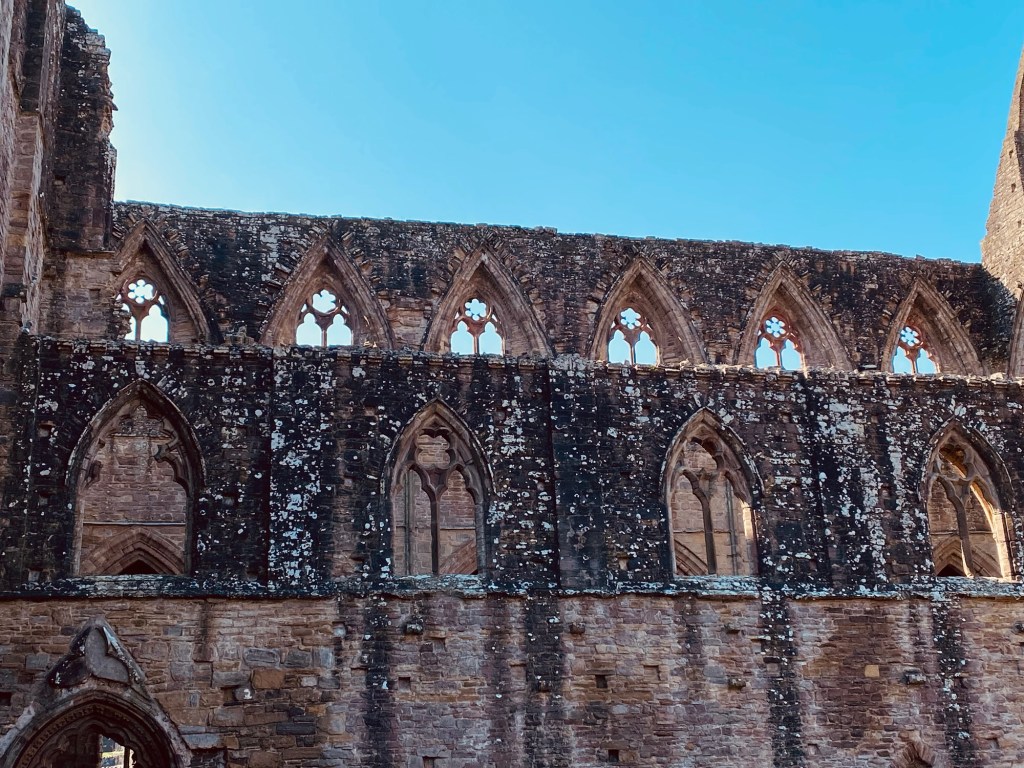

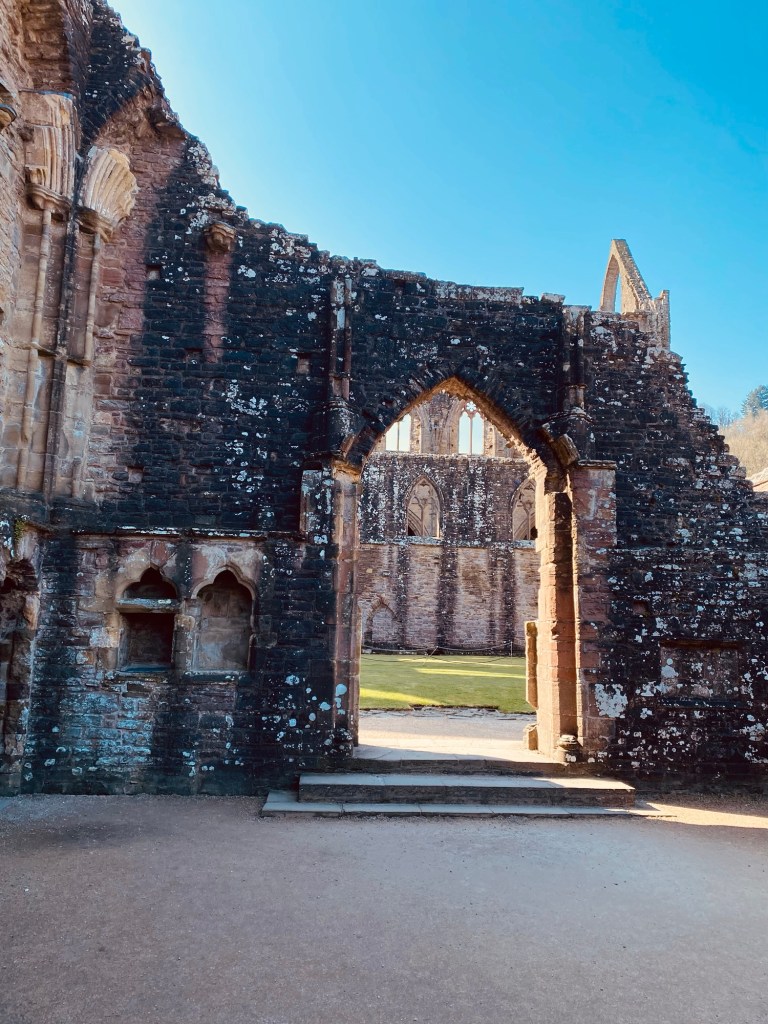
In 1798 William Wordsworth wrote the poem “Lines Written a Few Miles Above Tintern Abbey, On Revisiting The Banks On The Wye” 5 years after his first visit. (Wikipedia). The words of the poem ring true for this incredible natural landscape.
“How oft, in spirit, have I turned to thee , O sylvan Wye! thou wanderer thro the woods, How often has my spirit turned to thee!”(bbc.co.uk)
After the peaceful time at the Abbey, we got back on the picturesque road above the River Wye and ultimately joined the motorway down to Cardiff. We were staying at Guy’s sister Diana’s friend Su Turney. Once we arrived and settled in a bit, Su served a lunch of beautiful salads, cheese and bread.
Su presently has four dogs in her care. She does the good work of fostering rescue dogs, many of them from Spain. Two of the dogs, Hoo Hoo and Freya are her own. She very recently adopted Freya. Luna, one of the other two dogs, has recently been adopted out to a family. And dear old Linda is still waiting for a home.
After a late lunch and a catch up, we took the dogs for a walk in her neighborhood over to a park. It was fun to be with dogs as I’ve been missing our little dog Ammba at home.
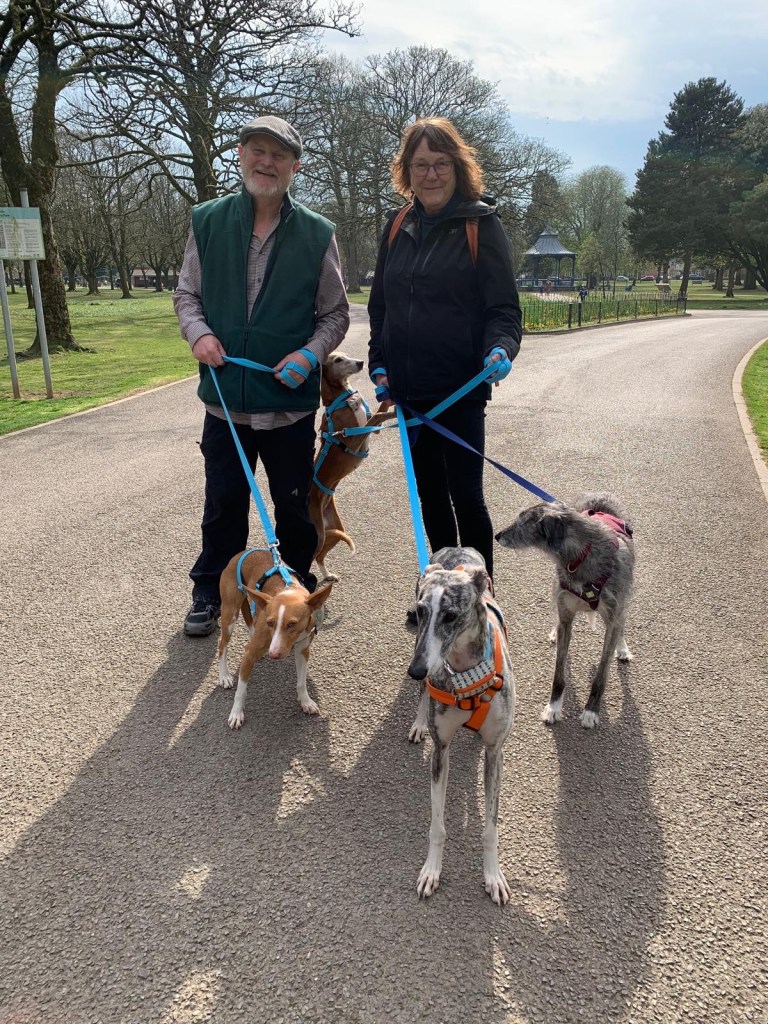

Later, we did laundry, had afternoon tea, a lovely vegetarian dinner, and an early to bed.
April 4th
Guy and I spent the morning at Cardiff Castle which is in walking distance of Su’s place, about 40 minutes.
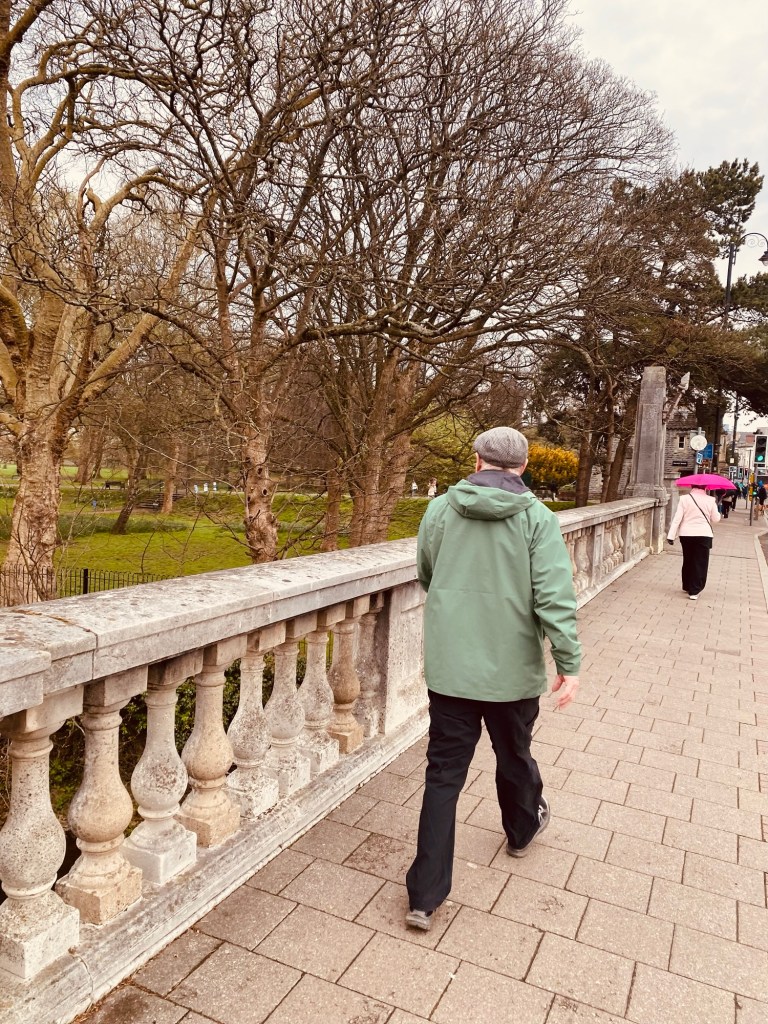
This site was a 3d century Roman Fortification and later in the 11th century, a Norman Castle possibly commissioned by William the Conqueror.
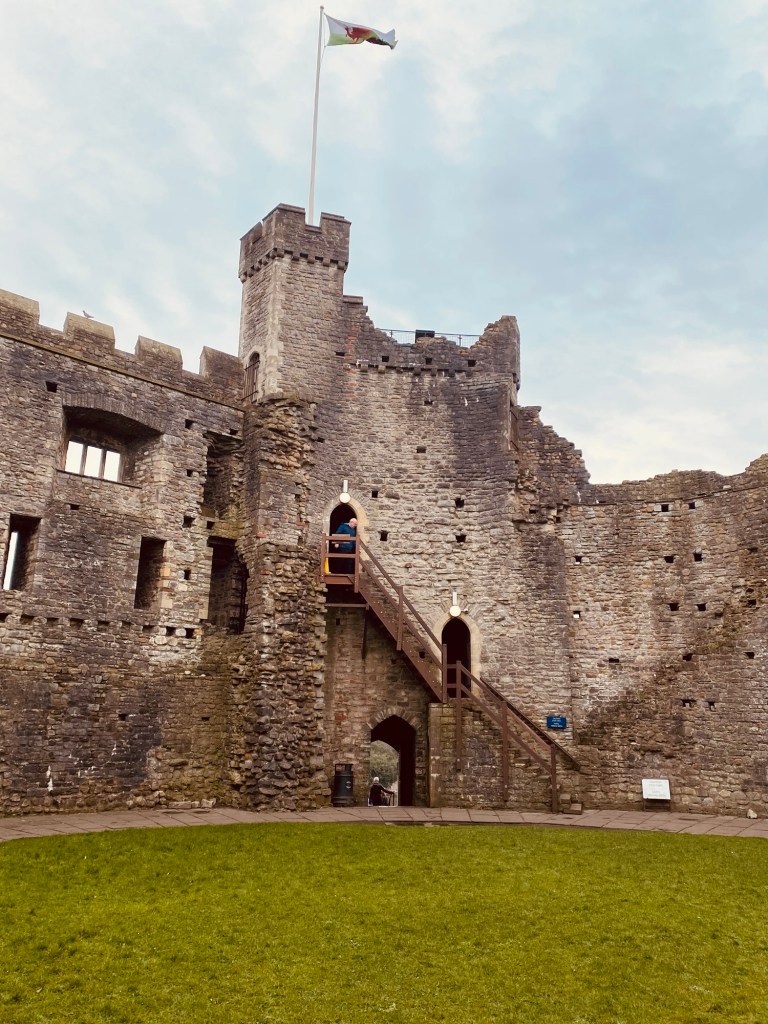
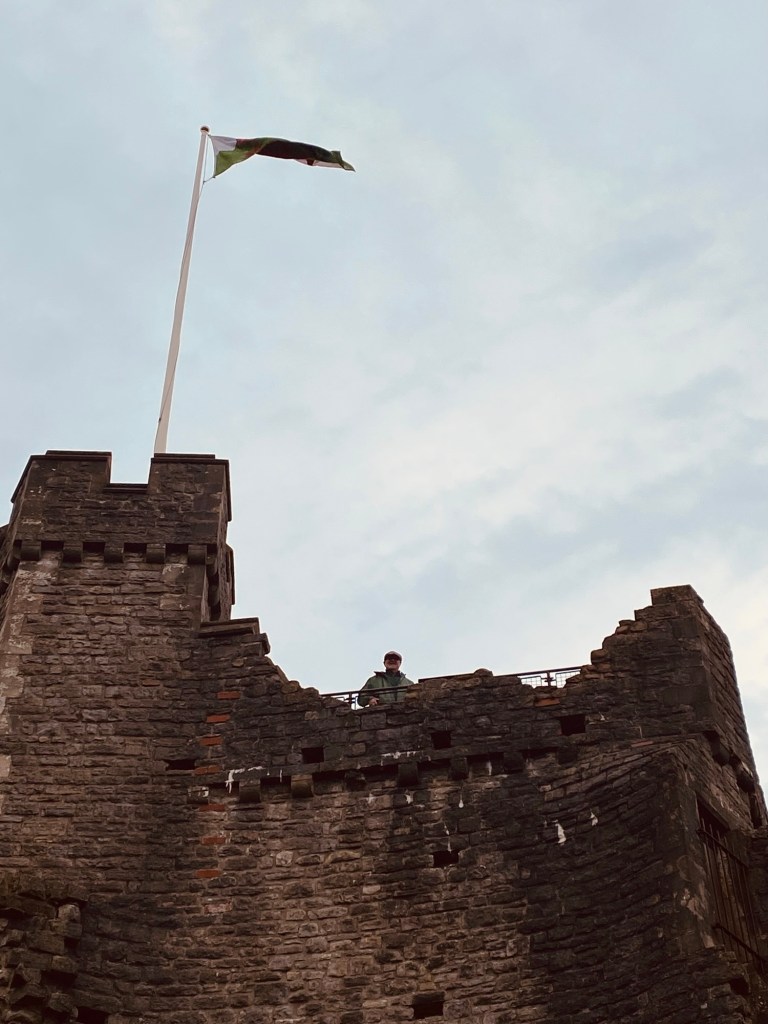
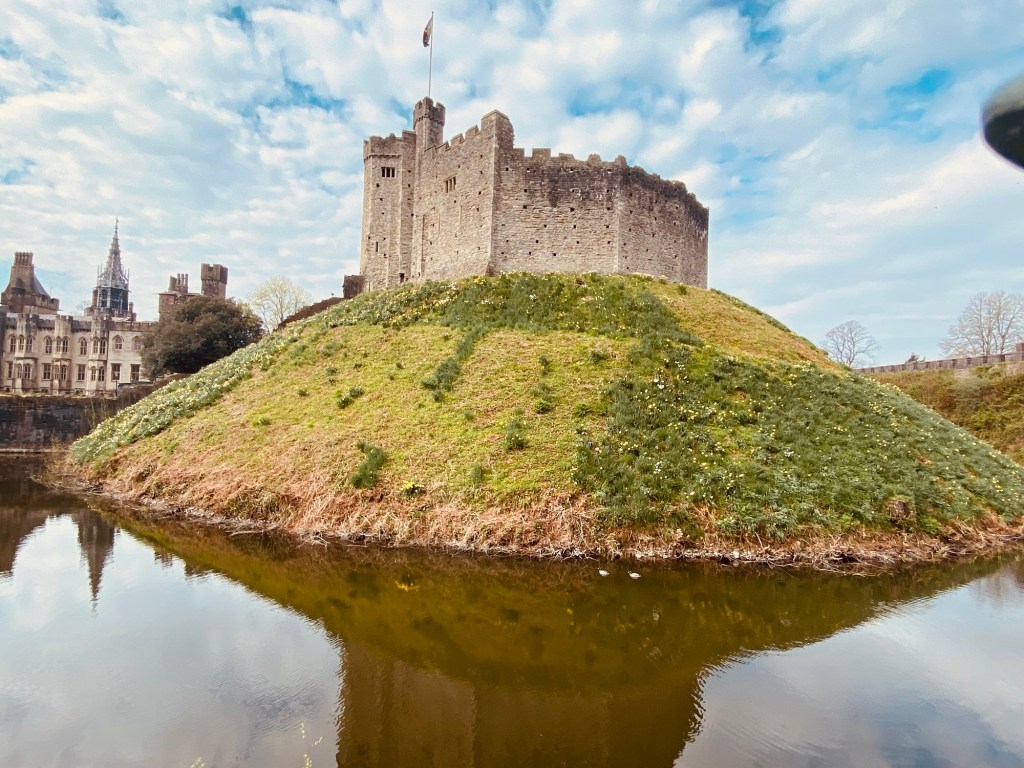
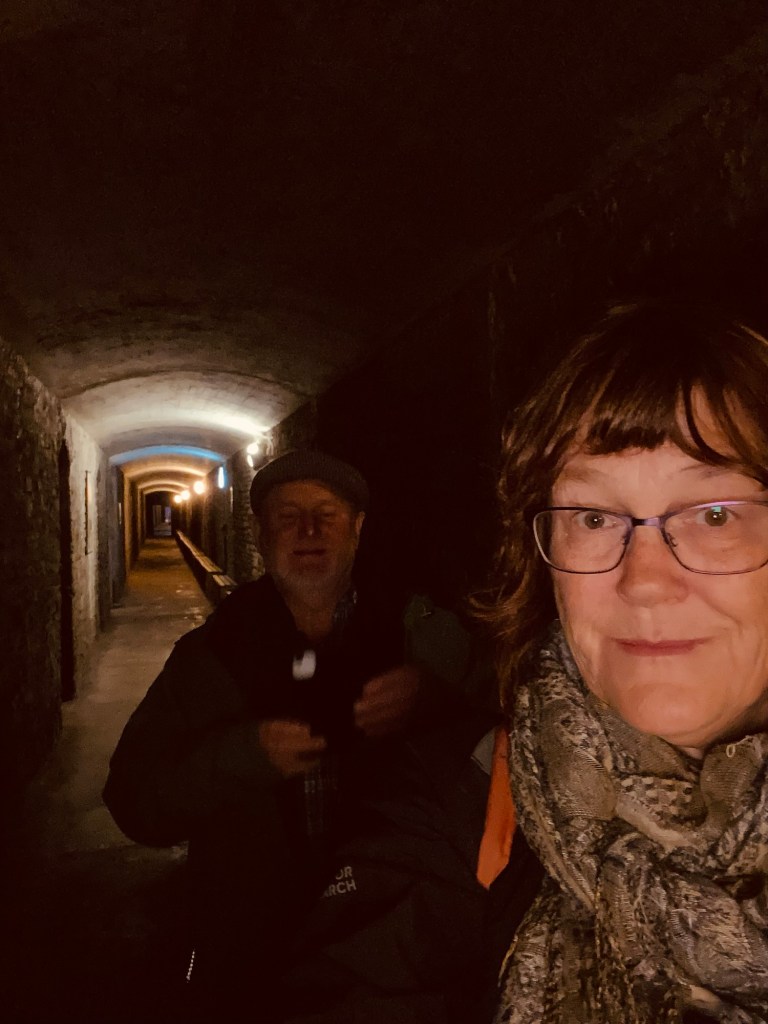
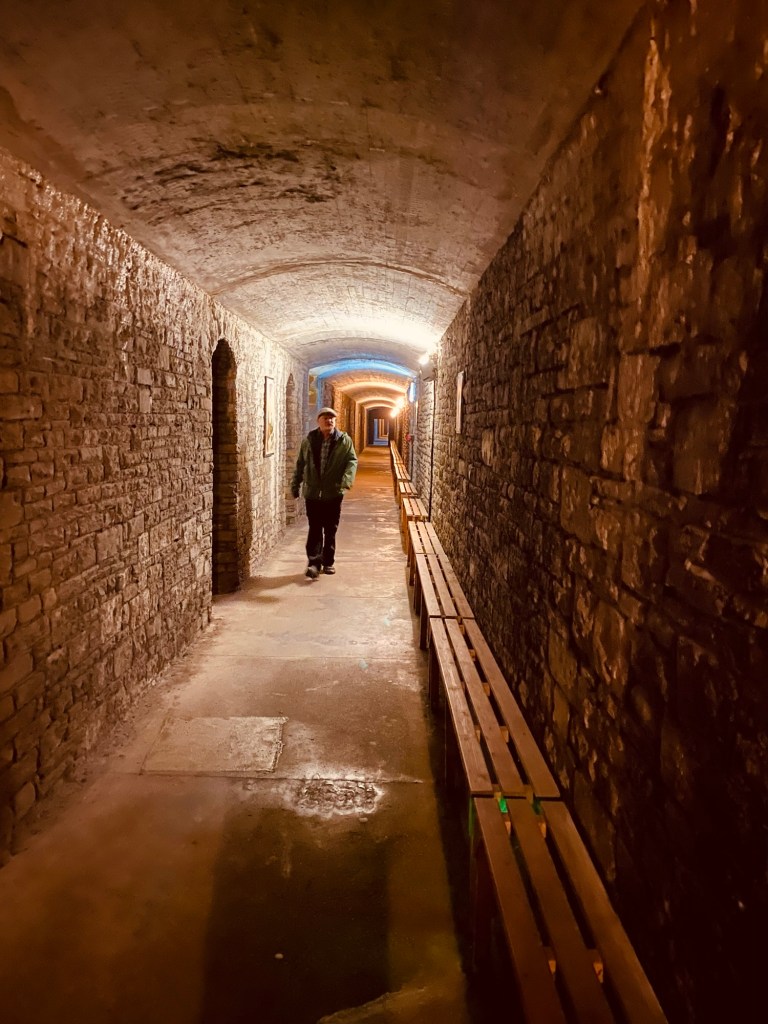
The best part of the visit to the Castle was going into the bunker underneath the stone wall. It was a place where Cardiff citizens could hide during WWII. As soon as we walked in, our presence triggered an audio presentation that started with Winston Churchill announcing Britain was at war. Then sounds of aircraft and bombings were heard as if it was happening outside the bunker in real life. As we walked along the long bunker, Vera Lynn, an iconic voice of the time, came on singing We’ll Meet Again. The whole presentation was well done and something we weren’t expecting to experience at Cardiff Castle.
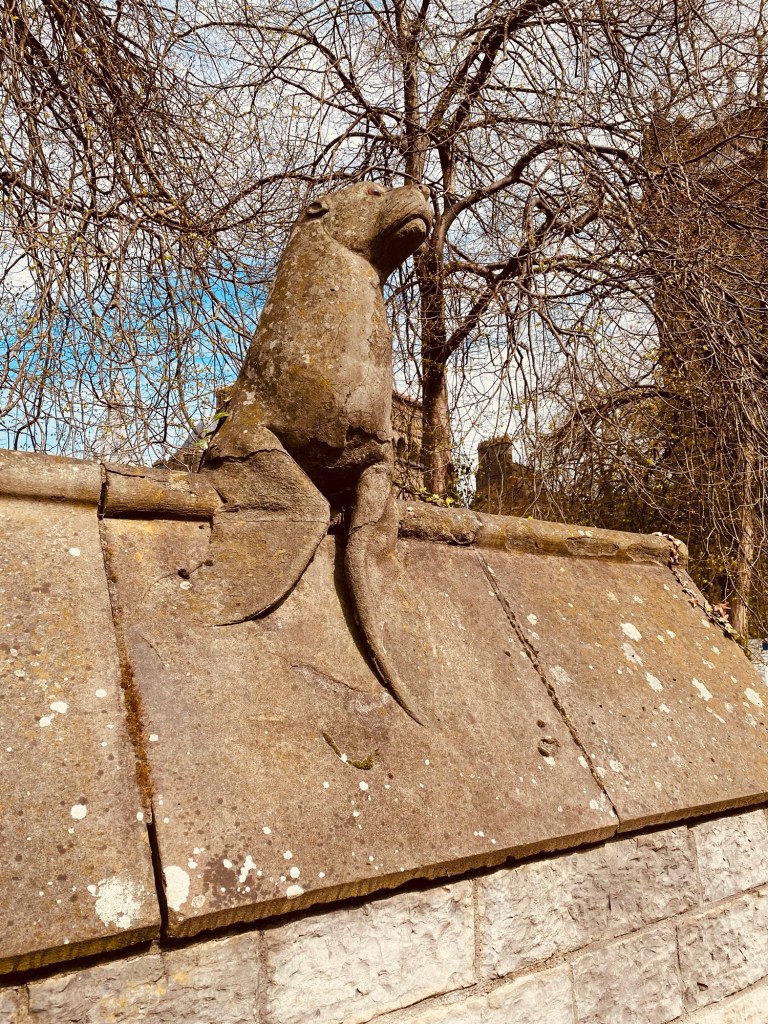
After our tour of the castle and the grounds, we wandered back to Su’s place. On the way, near the castle was the Animal Wall, a series of stone animal sculptures,that were commissioned by owners of the castle. Work began on the animals in the 1890’s. Over the years, the animals have been cleaned and restored and moved now to Bute St. They are a landmark of Cardiff. Here are just a few of them.


Once back at Su’s, we had lunch and then said our goodbyes to Su and the dogs. It was a short visit but a really lovely connection. We hope Su will come to Canada with Guy’s sister Diana in the next years.

By 3pm, we were on the road to Llandyfan near Swansea to see cousin number 3.
 Guy and Joys' 2025 UK and Ireland Campervan Trip.
Awesome pictures and great stories love following your travels – Jan and Sandra
LikeLiked by 1 person
Thanks. Hope all is well with both of you! 🌷
LikeLike
I do admire you guys for taking
LikeLiked by 1 person